








Daily Oral Care

Daily Oral Care
Biofilm-Related Oral Diseases: What You Should Know
by CHUSIN WO
on Jul 24 2024
Oral health is an important part of physical health. Oral health is related to many factors, among which the impact of oral biofilm on oral health is the most easily overlooked by humans. Biofilm is a complex aggregate of microorganisms attached to the surface of the mouth and is also the main factor causing various oral health problems. Understanding the impact of biofilm on oral health and learning how to manage it is essential to prevent serious oral diseases.
What is oral biofilm?
Oral biofilm is a sticky, colorless film of bacteria that forms on teeth and other surfaces in the mouth. Biofilm begins to form within minutes of cleaning your teeth, and if not removed regularly, it gradually thickens and forms a hard, hard plaque. Biofilm provides a breeding ground for bacteria, which can lead to a variety of oral health problems.
Common oral diseases associated with biofilm
1. Gingivitis: Gingivitis is an inflammation of the gums caused by biofilm accumulation. Early symptoms include red and swollen gums that may bleed when brushing or flossing. If left untreated, gingivitis may progress to more serious gum disease.2. Periodontitis: This is an advanced form of gum disease that affects the supporting tissues and bones of the teeth. If not managed correctly, periodontitis may lead to tooth loss. Bacteria in biofilms produce toxins that damage gums and bones, exacerbating the condition.3. Caries: Bacteria in biofilms produce acids that corrode tooth enamel, leading to tooth decay. If left untreated, tooth decay may cause pain, infection, and even tooth loss.4. Bad breath: Bacteria in biofilms produce volatile sulfide compounds (VSCs), which cause bad breath. Persistent bad breath is often a sign of biofilm accumulation.
How to Manage and Prevent Biofilm-Related Diseases
Daily Oral Hygiene
Clean teeth: Brush your teeth at least twice a day using the Bass method, using fluoride toothpaste and a soft-bristled toothbrush to avoid damaging the gums.
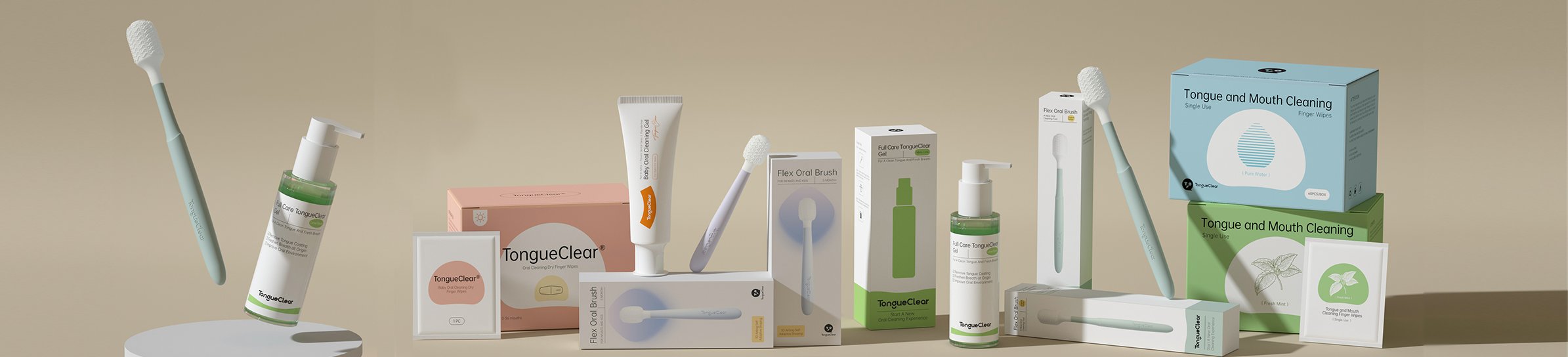
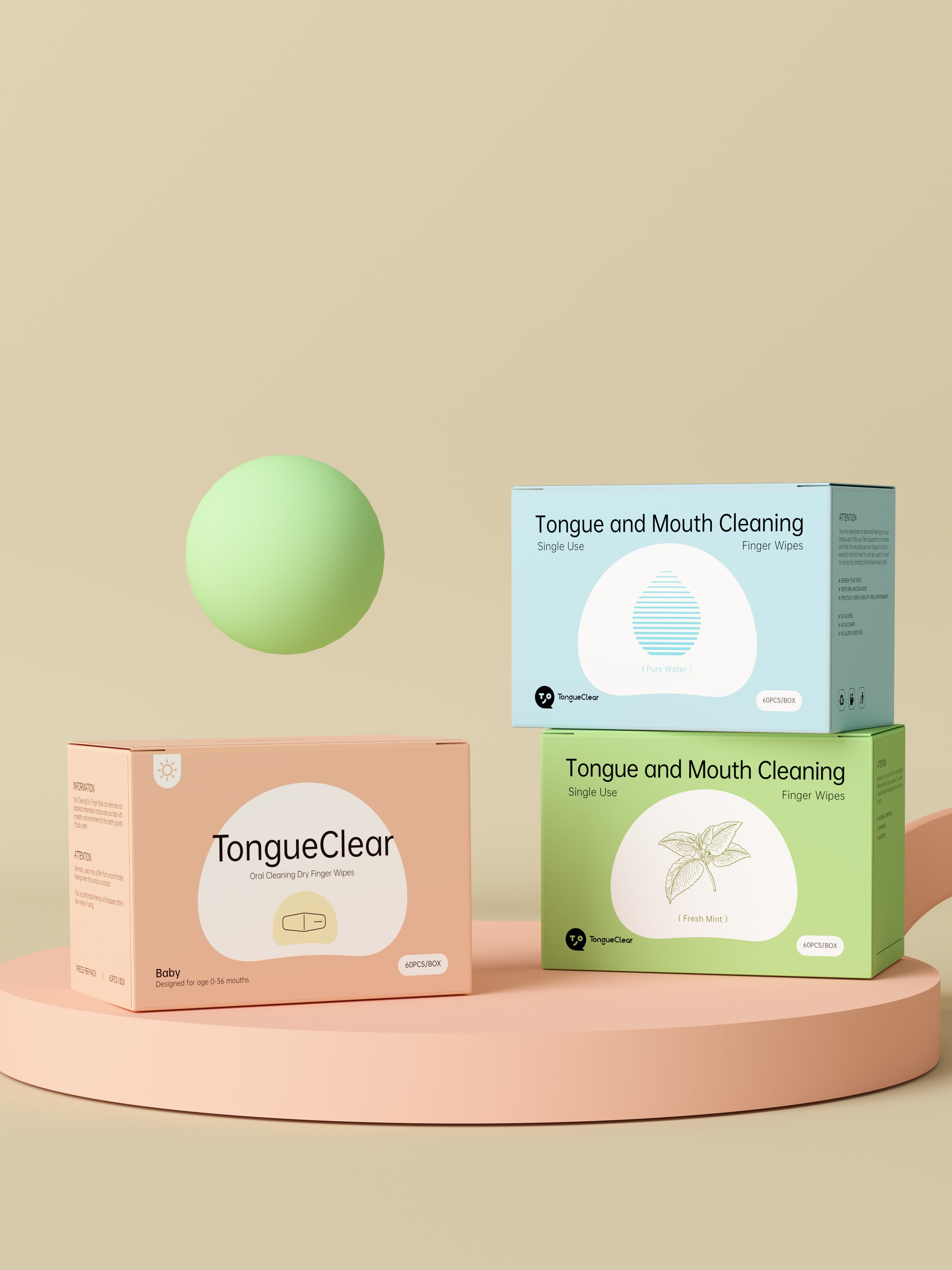
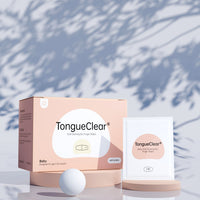
Clean between teeth: Use dental floss to remove food debris and biofilm between teeth and under the gums every day, or use Tongueclear oral finger cleaning wipes to manually remove bacterial biofilm and food debris from the teeth, gums, tongue and other parts of the mouth.
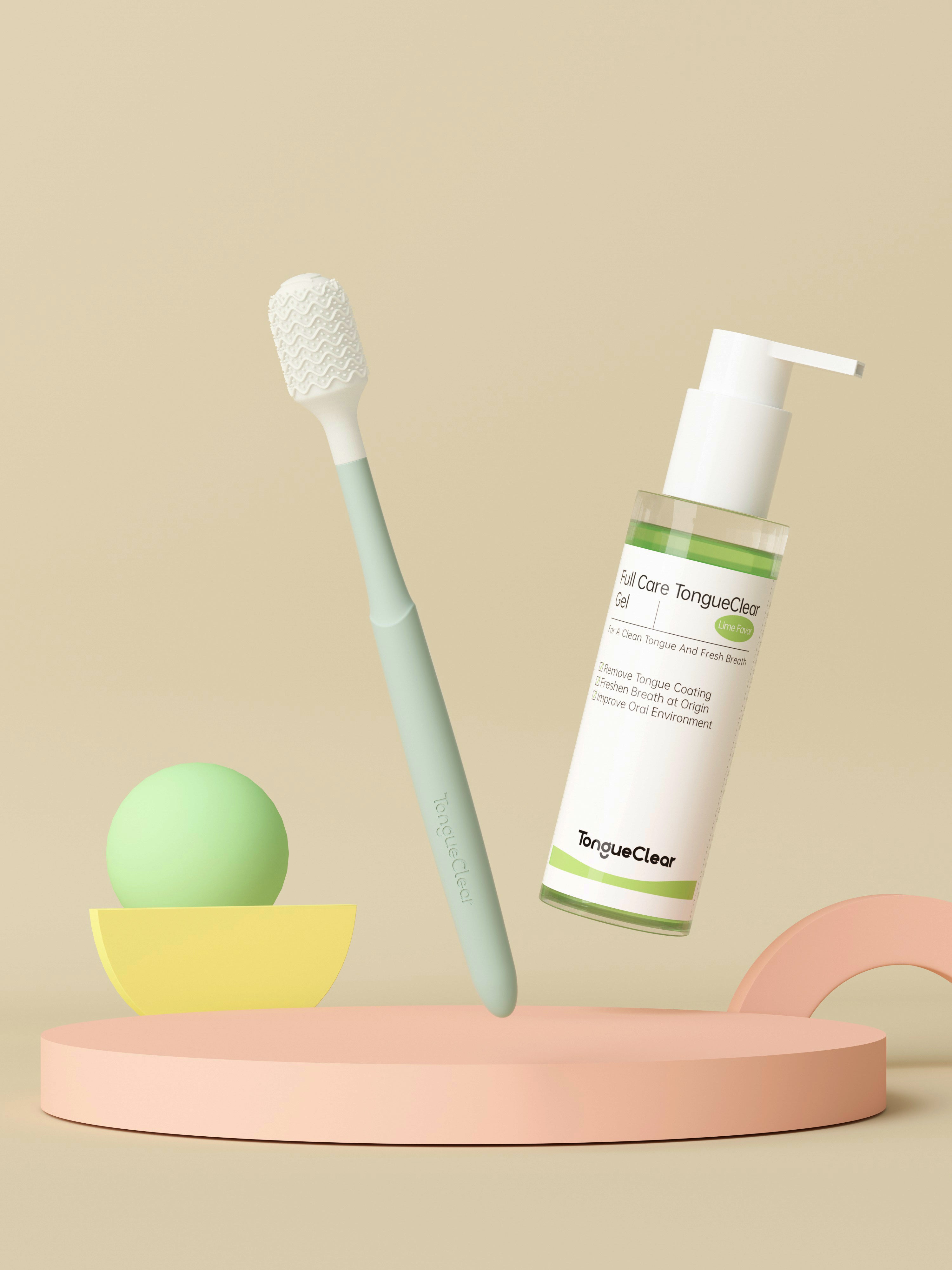
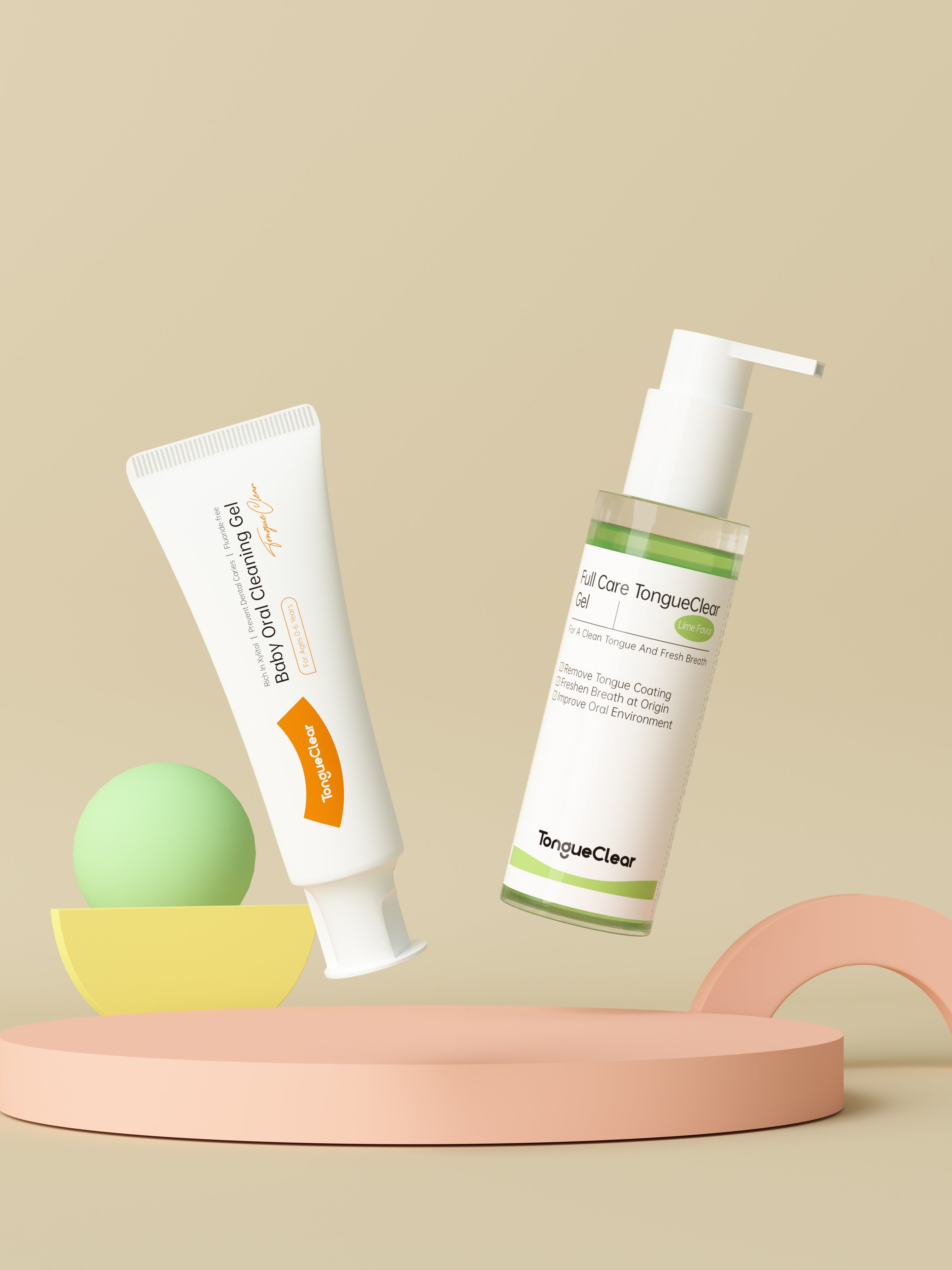
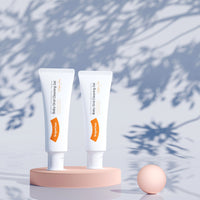
Full oral cleaning: Use Tongueclear oral mucosa gel to reduce biofilm and bacteria in the mouth. (Long-term use of traditional mouthwash will disrupt the balance of oral flora)
Professional dental care
Regular Checkups: See your dentist regularly for checkups and professional cleanings. Your dentist can remove hardened tartar that can’t be removed by brushing and flossing.
Scaling and root planing: For advanced biofilm-related disease, your dentist may recommend scaling and root planing to clean the roots of your teeth and remove biofilm beneath the gums.
Lifestyle changes
Diet: Reduce your intake of sugary foods and drinks, as sugars promote the growth of bacteria in biofilms.
Stay hydrated: Drink plenty of water to help flush away food particles and bacteria.
Avoid tobacco: Smoking and chewing tobacco increases the risk of biofilm-related diseases and other oral health problems.
Oral diseases associated with biofilms pose a significant threat to dental health. By understanding the role of biofilms and practicing effective oral hygiene, you can prevent these diseases and maintain a healthy mouth. A combination of regular dental exams and routine care is essential to managing biofilms and ensuring a healthy mouth. Take action now to protect your smile and your overall health.

Daily Oral Care
Top Oral Hygiene Tips You Need to Know
by CHUSIN WO
on Jul 11 2024
Relevant data show that oral hygiene affects the overall health of the body. If oral bacteria are not removed in time, they will enter the human body and affect human health. For example, periodontal bacteria and other substances may enter the blood circulation, causing blood hypercoagulation and increasing the risk of thrombosis. Periodontitis increases the risk of COPD. Periodontal disease may aggravate digestive tract diseases by destroying the intestinal epithelial barrier and changing the intestinal flora, so maintaining good oral hygiene is essential for overall health. The following is some basic oral hygiene information to help you maintain oral health.
First, make sure you brush your teeth twice a day. Use fluoride toothpaste and a soft-bristled toothbrush, and brush for at least two minutes each time. When brushing, make sure to clean all tooth surfaces, including the back teeth. At the same time, it is also important to use the correct brushing technique: hold the toothbrush at a 45-degree angle to the gums and gently make circular motions instead of brushing hard. But true oral hygiene is not just about cleaning teeth. We also need to clean the gums, tongue coating, upper and lower jaws, and under the tongue. We need to truly achieve all-round oral hygiene.
Secondly, clean the gaps between teeth every day to effectively remove food residues and dental plaque. You can use traditional dental floss here, but you need to be gentle when using it and don't hurt your gums. Or you can choose to use Tongueclear's latest oral cleaning finger wipes. This product adopts a finger buckle design, which is very convenient. The material is 100% medical grade material, 0 alcohol, and no harmful substances are added. You can clean the oral area according to your needs, including but not limited to the gaps between teeth.
Dietary habits also have a direct impact on oral health. Avoid excessive intake of sugary foods and drinks, which can easily lead to tooth decay. Instead, eat more fiber-rich fruits and vegetables, as well as foods rich in calcium and phosphorus, such as dairy products and nuts, which can help strengthen teeth.Regular dental checkups are another key factor. It is recommended to visit the dentist every six months for a comprehensive checkup and cleaning. The dentist can detect and treat potential oral problems in a timely manner, preventing the occurrence and development of diseases.
In addition, quitting smoking and reducing alcohol consumption also have a significant impact on oral health. Smoking and excessive drinking not only cause tooth discoloration, but also increase the risk of oral cancer and gum disease. To maintain oral health, it is best to quit smoking completely and limit the amount of alcohol you drink.Finally, don't ignore the choice of oral health products. Choose the right oral care products for you and achieve true oral hygiene. Start taking care of your mouth today! A healthy mouth can not only give you a bright smile, but also improve the quality of life.

Daily Oral Care
by AdminMy Store
on Jun 12 2024
Parenting for new parents is not easy, sometimes it takes a lot of effort, no effect, but make the baby cry and make trouble, simply worry broken heart.
Here are 10 new parents easy to make mistakes.
Mistake 1: Always outdress an adult
In fact, the newborn's ability to regulate its own temperature is not strong as adults, and the body's self-cooling function is not perfect, so it is better to wear less, but also do not wear more. The standard is: how much mom and dad wear, how much to the baby wear, would rather wear less, do not wear more. Medical history is littered with deaths from overheated newborns, but it seems unheardof an accident caused by underdressing.
Mistake 2: Sharing a bed with your mother is easy to take care of
Many Chinese mothers like to share a bed with their newborns for two reasons: 1. They think it's easier to take care of them at night. 2. I think it is inhumane for a baby to leave his mother's arms when he is just born. In fact, the newborn and mother share the bed but a lot of danger, because the children's awareness of independent activity is relatively weak, in case the mother fell asleep when breastfeeding, it is easy to cause the newborn breathing and suffocation; In addition, the new mother is generally exhausted, sleep at night may sleep more heavily, a turn is not careful, there may be a risk of pressure on the child.
Mistake 3: Sleeping with a quilt and pillow
Many mothers will feel that the newborn should be like themselves, sleep is to cover the quilt and pillow pillow, who knows, this is also a lot of danger. It is possible to be careless, or a child's arm, a kick, the quilt may cover the child's mouth and nose, blocking breathing and thus dangerous. Cover the quilt and pillow pillow, as well as with the same risk, the newborn's physical structure or different from adult ones and should, before two years of age, they lie on your back, the body and head is in a horizontal line (and adult is the head lower than the body), as if with a pillow, so head will be higher than the body, no matter how thin, how low pillow, Will bring certain adverse effects on the development of newborn bones.
Mistake 4: Having to wake up in the middle of the night to breastfeed
Many newborns may need breast milk every two hours during the day, but at night may be continuous 5-6 hours, or even longer do not eat, therefore, many mothers worry that children sleep too long at night and hungry, will deliberately wake them up to breastfeed. In fact, this is very wrong, for anyone (including small babies), sleep at night is more important than eating, they can not eat, but they must sleep well at night, of course, the newborn jaundice children except.
Mistake 5: The quieter your sleeping environment, the better
While adults may need a quiet place to sleep or rest in order to truly relax, this doesn't work for babies. Infant sleep background environment is more noisy better, more noisy they sleep more sweet, in fact, it is not difficult to understand, mom and dad think about living in the mother's stomach for nine months, although the hearing system is in the later development of mature, but the children already accustomed to the mother's stomach blood flow, the heart beats, and all other noisy voice, leaving my mother's belly, Who would not adapt to suddenly being placed in a very quiet environment? So parents really don't have to tiptoe around and do whatever they need to do while their babies sleep, and it's great if there's some music in the background. Since childhood sleep does not need to be in a very quiet environment, but also more conducive to children's later sleep habits and sleep quality.
Mistake 6: Not feeding breastfed babies as needed
The guiding principle for breast milk should be feeding as needed. Every doctor will say that every two hours is the right time to breastfeed a newborn, but that is an average time, not a blanket time. For children who are breastfed exclusively, it should be feeding on demand and feeding when they are hungry. It is believed that many mothers have the experience of drinking breast milk for many times in a short period of time, and also have the experience of not needing breast milk for 3-4 hours. The frequency of breast milk completely depends on the children themselves.
Mistake 7: Babies need to bathe every day
Taking a bath every day may be a habit of many parents, but the doctor reminded that the baby is very clean, do not need to take a bath every day, even if the children born in summer, more or less during the day will sweat, but also do not need to take a bath every day, and the sweat can also play a nourishing role on the skin. Newborns would rather be dirty than dry skin from too much bathing. Your baby doesn't have to take a shower every day, and it doesn't have to be shower dew.
Mistake 8: Babies are not allowed to go out before they are a month old
Influenced by mothers' confinement, many mothers (especially the elderly) will think that the baby is not allowed to go out before the month is up. But in fact, two weeks after the baby is born, the mother can take the baby for a walk in the park around the home for half an hour a day. Such a walk out, not only conducive to the mother's postpartum recovery, but also more conducive to children breathing fresh air.
Mistake 9: Crying is to be fed or hugged
Many new parents would argue, is a cry like children and want to embrace the, the fact is not the case, for newborn babies, they still won't do anything, baby cry, may be hungry, also may be want to mother's arms, but more likely is that they are a method of "fun", a form of exercise myself, Or there are other needs (dirty diapers, hot and cold), so mothers must have the ability to judge the reason why children cry, a cry to hug or feed, is absolutely not.
Mistake 10: A package that is too tight is not comfortable
Parents own experience is, wearing tight clothes loose more than comfortable and at ease, but for newborn babies is on the contrary, think of mothers womb space, think again baby gathers the world enjoy the space, it is not hard to understand, for newborns, they wrapped too tight, the more feel safe and comfortable. If wrapped tightly like zongzi, children will sleep very steadfast, on the contrary, children not only frequently woke up, but also sleep very shallow.