






Morning Dilemma: Brush Before or After Breakfast?
by Tongueclearofficial on Feb 03 2026
A long-standing debate in morning routines revolves around oral hygiene: should you brush your teeth before or after breakfast?
① Some insist on brushing after breakfast to remove food residue.
② Others insist on brushing before breakfast, believing that breakfast tastes bland without brushing or that brushing after meals introduces bacteria.
③ Of course, some feel that either timing is fine and there's no need to fuss over it.
This seemingly insignificant choice of habit is crucial to your long-term oral and even overall health. In this guide, we will answer: the answer to this debate, why choose this option, the root of this controversy, and how to achieve better oral hygiene.

Based on current mainstream dental recommendations (including the American Dental Association (ADA)), we recommend cleaning your mouth first thing in the morning, then eating breakfast.
Because cleaning your mouth before breakfast can:
1. Cut off the "bacterial buffet"
If you eat breakfast first, you're essentially providing sugar and carbohydrates for the biofilm. The bacteria then produce acidic substances, immediately starting to erode your tooth enamel.

2. Avoid "swallowing" bacteria
During sleep, saliva production decreases, reducing the mouth's self-cleaning ability, and biofilm accumulates significantly. Eating with an uncleaned mouth means swallowing a large amount of detached biofilm along with the food, increasing the risk of intestinal diseases.

Whether you brush before or after breakfast, you're usually only doing one thing—brushing.
This only cleans the surface of the teeth, and it's difficult to adequately cover the gums, upper and lower jaws, the surface and back of the tongue, and the inner walls of the mouth.
These areas are also important "residence sites" for biofilms.
Therefore, even if you brush your teeth thoroughly, a large amount of undisturbed biofilm may still remain in your mouth.
These biofilms can cross-contaminate the cleaned areas within a short period, disrupting the oral microecological cycle.

What are biofilms? Biofilm is a thin, viscous protective structure formed by a large number of microorganisms (mainly bacteria) slowly gathering together, secreting a sticky substance to envelop each other. It's invisible, yet always present.
What we commonly call "dental plaque" is actually part of this structure.
If you gently touch your palate with your tongue and feel a slightly slippery sensation, that's often a trace of biofilm.
The problem is—as biofilm accumulates, bacteria multiply and metabolize within it, producing acidic substances and irritants. Over time, gums may become red, swollen, and bleeding, and even periodontal problems may develop.
Furthermore, when the mouth is chronically inflamed or damaged, bacteria and inflammatory factors can enter other parts of the body through the bloodstream.
Therefore, oral health problems are not just about bad breath or toothache. They can slowly affect overall health without us even realizing it.
Oral biofilms that are not effectively controlled over a long period of time may also be linked to overall health through inflammatory responses:

① Heart Disease
Many people are unaware that when gums bleed and swell frequently, periodontal bacteria from the gum membrane can enter the body through the bloodstream. These bacteria can attach to the walls of blood vessels, causing inflammation. Over time, this can narrow and harden blood vessels, increasing the risk of blood clots.
Numerous studies have also found that people with severe periodontitis have a significantly higher probability of developing heart disease.

② Alzheimer's Disease
When gums are inflamed, harmful bacteria in the gum membrane can affect our brain through the bloodstream and even neural pathways.
Long-term chronic inflammation can leave the brain in a state of "low-grade inflammation," gradually affecting memory and cognitive function.
A growing body of research has found that people with poor oral hygiene have a higher risk of developing Alzheimer's disease.

③ Diabetes
Diabetes and oral health issues are actually interconnected.
Inflammated gums can raise inflammation levels in the body, thus affecting blood sugar control; conversely, persistently high blood sugar levels create an environment where bacteria can thrive, exacerbating gum infections.
Therefore, many doctors remind diabetic patients to prioritize oral hygiene.

④ Accelerated Aging
If oral inflammation persists, the body will remain in a state of "mild inflammation."
Over time, this can affect blood vessels, metabolism, and organ function, making people feel more fatigued. The body finds it difficult to truly relax, and the aging process can be accelerated.

⑤ Digestive Diseases
The mouth is the first stop in the digestive system.
The biofilm in the mouth also enters the stomach and intestines during swallowing, affecting the gastrointestinal environment. Studies have found that people with poor oral hygiene are more prone to gastritis, stomach discomfort, indigestion, and other problems.

⑥ Decreased Immunity
When bacteria accumulate in the mouth over a long period, the body's immune system becomes constantly "busy coping." This can easily lead to immune system fatigue.
In this state, the risk of colds, respiratory infections, and even infections in other parts of the body increases.
Therefore, from the perspective of oral microecology, simply relying on brushing teeth is insufficient to truly remove the biofilm throughout the entire oral cavity. Our recommended oral cleaning sequence is:
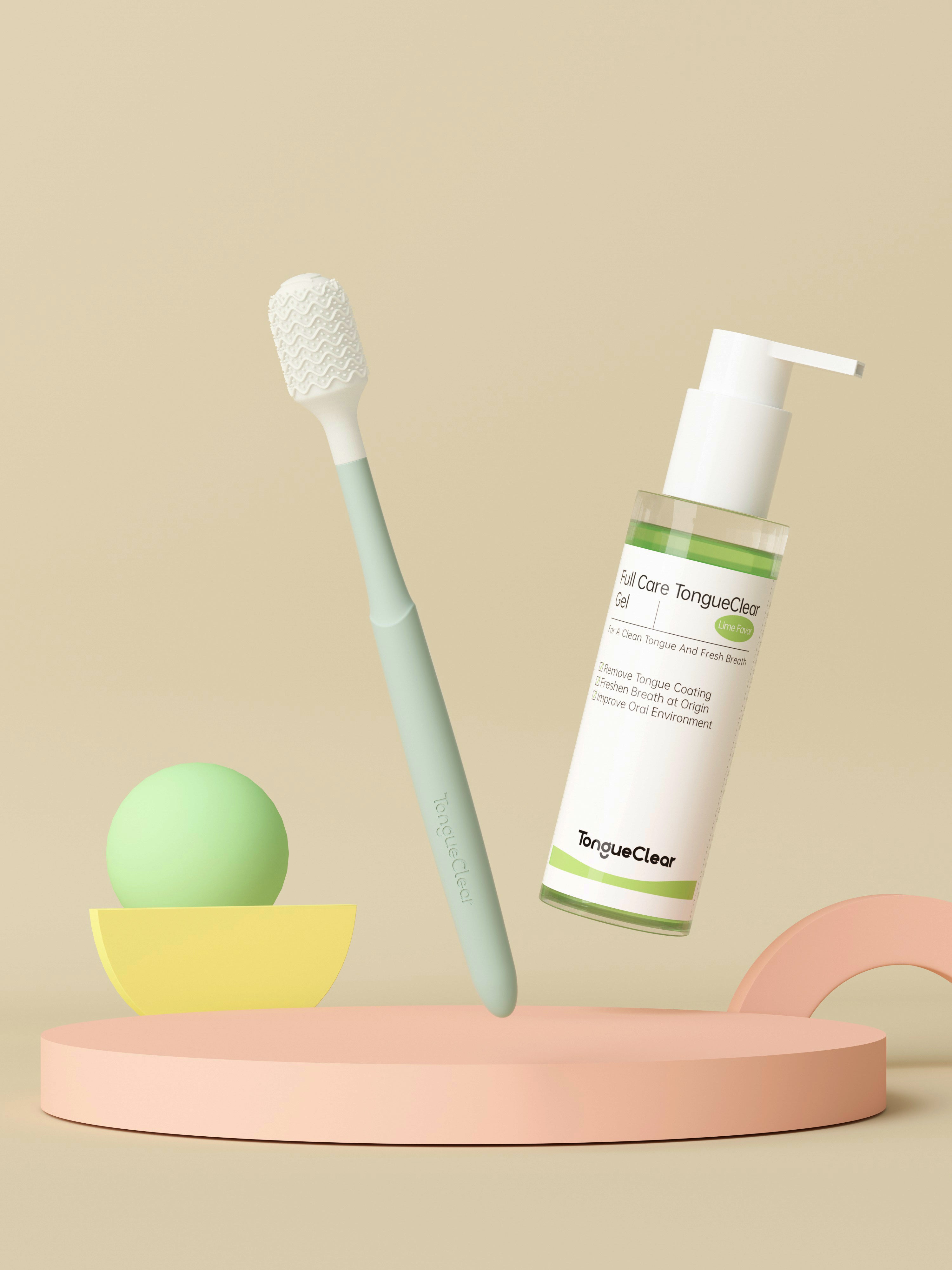
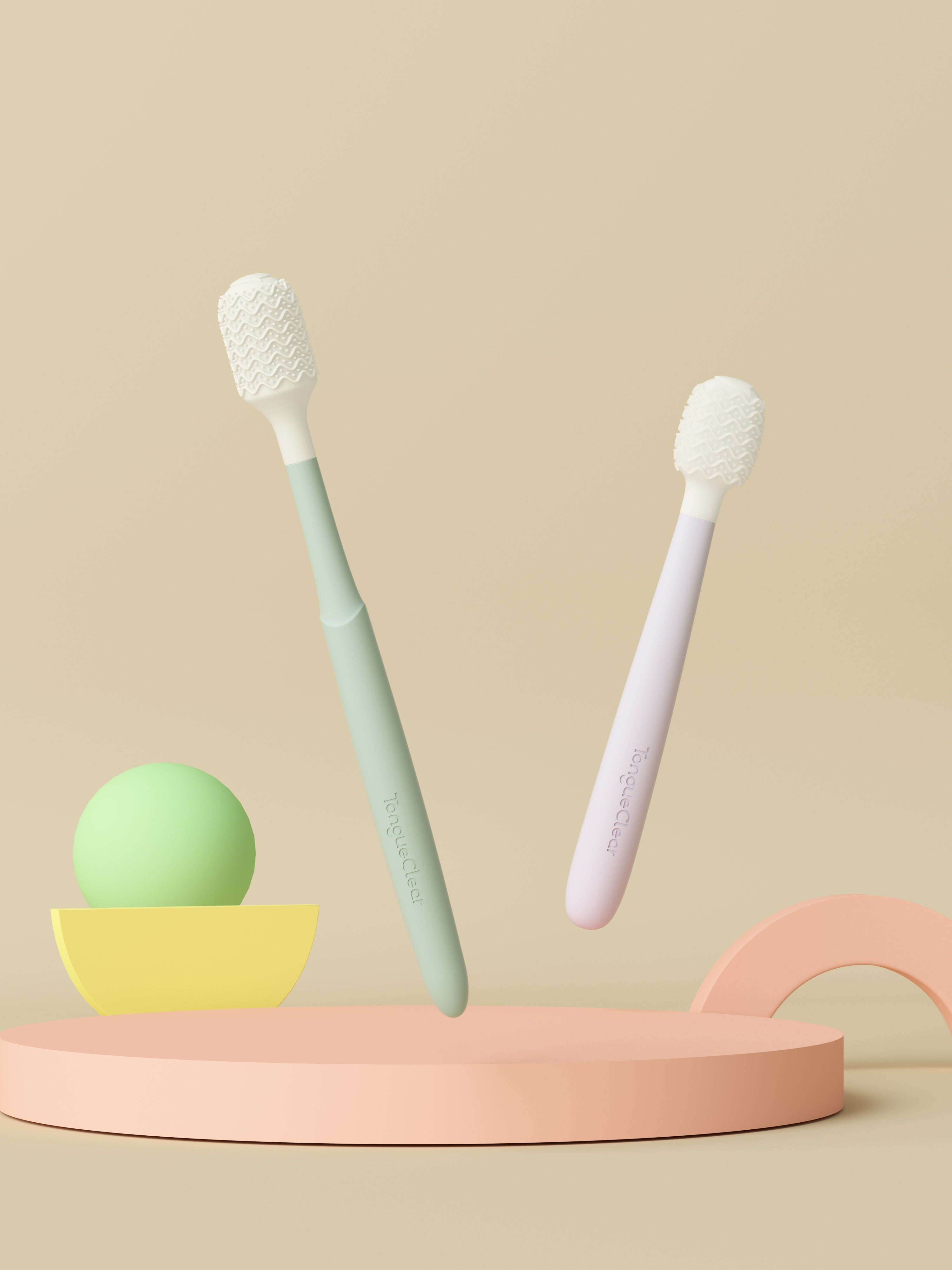
After a night of bacterial growth, teeth, gums, tongue, upper and lower jaws, and the inner walls of the mouth are covered with an active biofilm. If you eat directly from the mouth, these bacteria and their metabolic products may enter the digestive tract with food. First, clean the tooth surface with brushing; then use the Tongueclear oral cleaning airbag brush for a thorough and gentle clean, restoring the oral environment to a relatively clean state before eating.
The sugars and nutrients from food cause residual bacteria to multiply rapidly and rebuild biofilms. Therefore, even if you have already cleaned after waking up, a second intervention after breakfast is still necessary.
At this time, you can use the Tongueclear oral cleaning airbag brush again for a gentle full-mouth cleaning, promptly removing food residue and newly formed bacterial deposits. Compared to repeated brushing, this method is gentler on tooth enamel and gums, while still covering key areas such as gums, tongue, upper and lower jaws, and the inner walls of the mouth, helping to maintain a longer-lasting feeling of freshness and oral health.


Many health changes don't begin with grand decisions, but rather with seemingly small choices each morning.
A more thorough oral hygiene routine may not bring immediate, dramatic changes, but it subtly alters the state of your mouth over time—leading to fresher breath, a more stable oral environment, and a healthier overall health. This comfort extends throughout the day without you even realizing it.
May every morning begin with a fresh breath, and may this subtle yet steadfast protection accompany you towards a more relaxed and longer period of good health.