




8 Essential Tips for Senior Oral Hygiene: Why Gentle Care Matters
As we age, our bodies undergo numerous changes, and our mouths are no exception. For seniors, oral health is directly linked to overall well-being, affecting everything from nutrition to heart health. However, aging often brings increased sensitivity, receding gums, and dexterity challenges. That’s why the philosophy of "Gentle Care" is no longer just an option—it’s a necessity.
1. Prioritize Gum Health (Not Just Teeth)
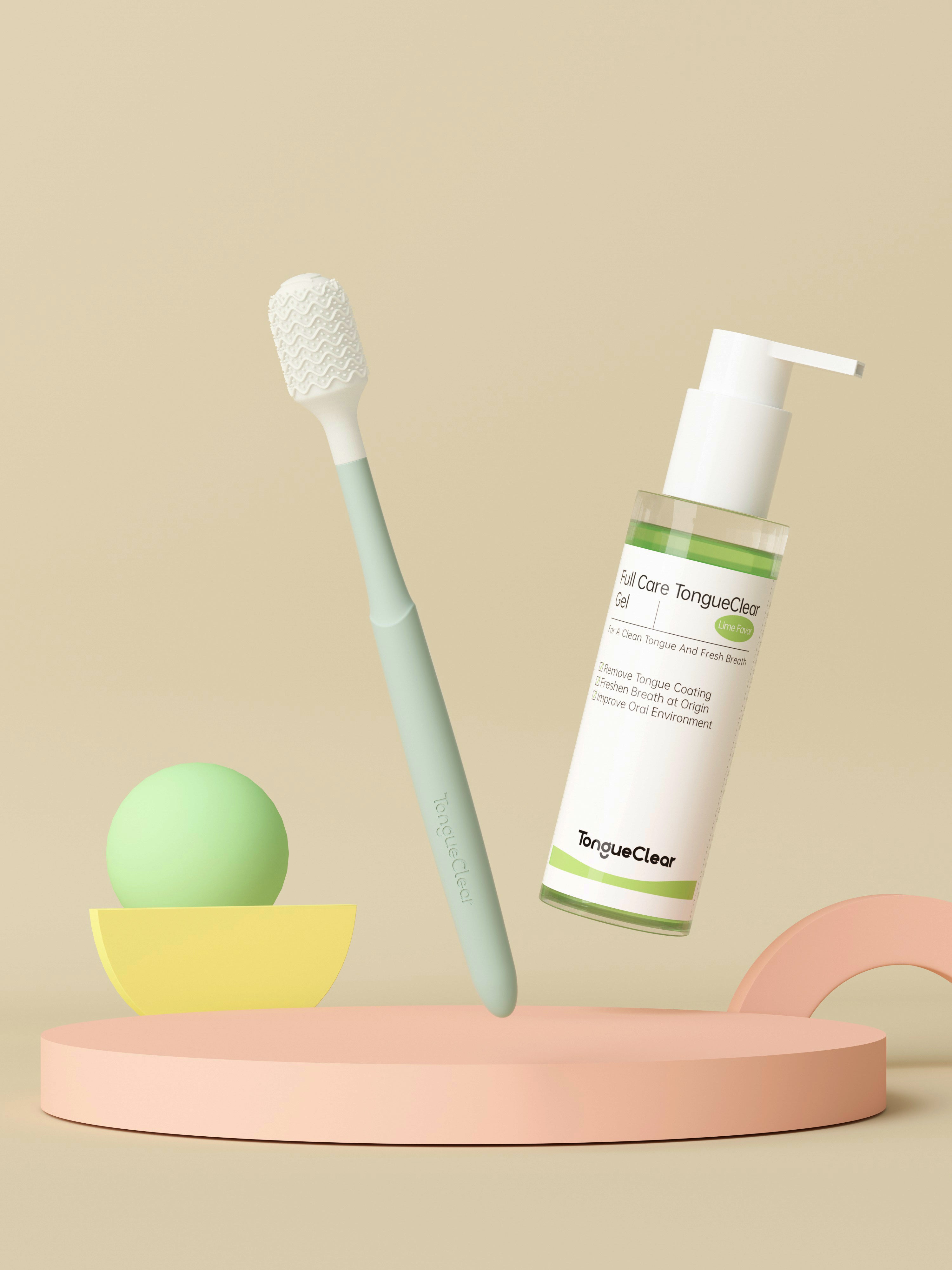
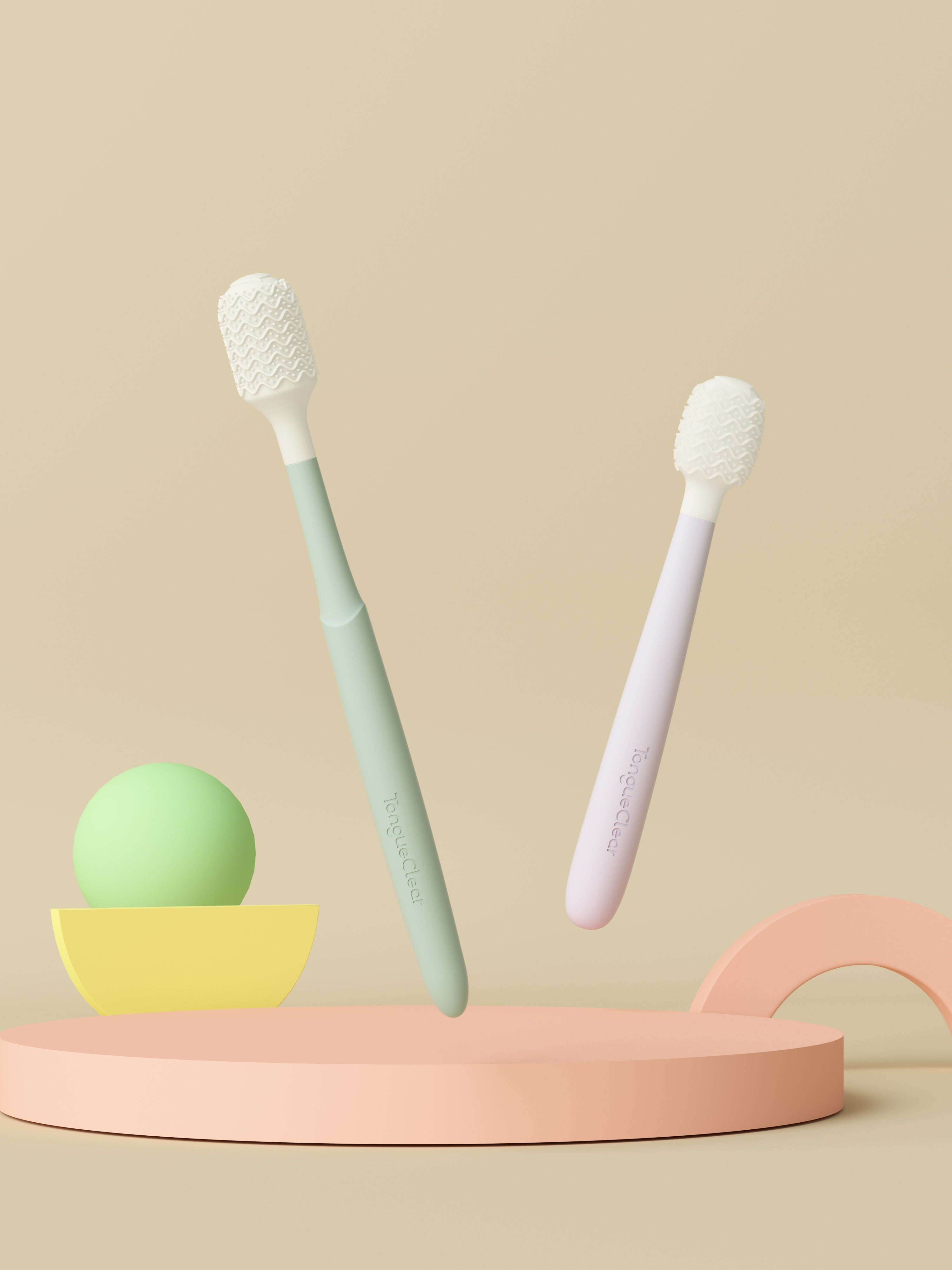
Tip: The Airbag Oral Brush features a 3D inflatable structure that cushions the pressure, ensuring a deep clean that’s incredibly soft on sensitive gums.
2. Fight Dry Mouth (Xerostomia)
Tip: Stay hydrated and use pH-balanced oral products.
3. Use Non-Abrasive Cleaning Gel
Traditional toothpastes often contain harsh abrasives (silica) that can wear down thinning enamel.
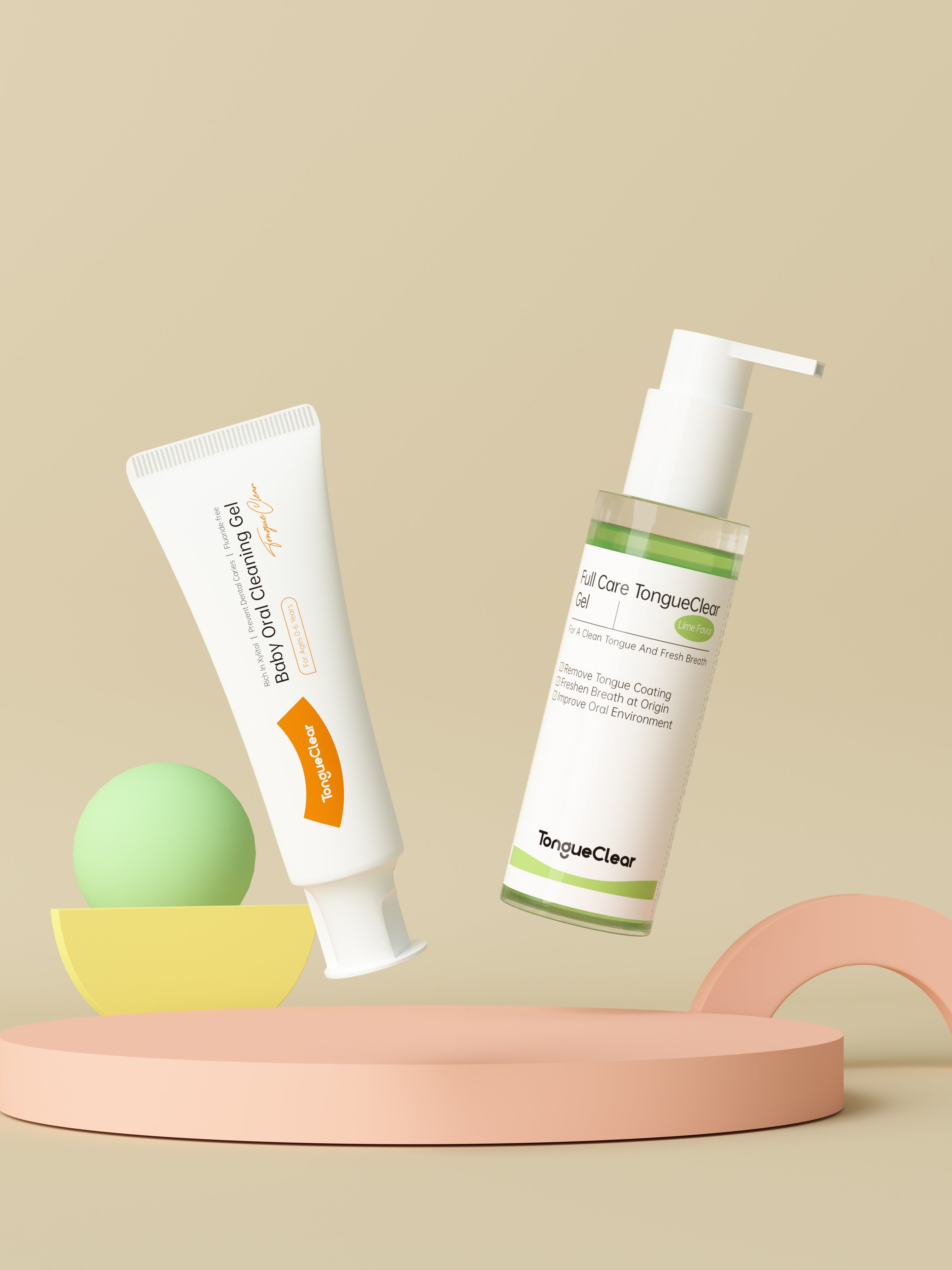
Tip: TongueClear Gel Toothpaste is formulated to be gentle. It cleans effectively without "sanding" down the delicate surfaces of a senior’s mouth.
4. Clean the Entire Oral Cavity
Bacteria don’t just live on teeth; they thrive on the tongue and inner cheeks, leading to bad breath and infections.
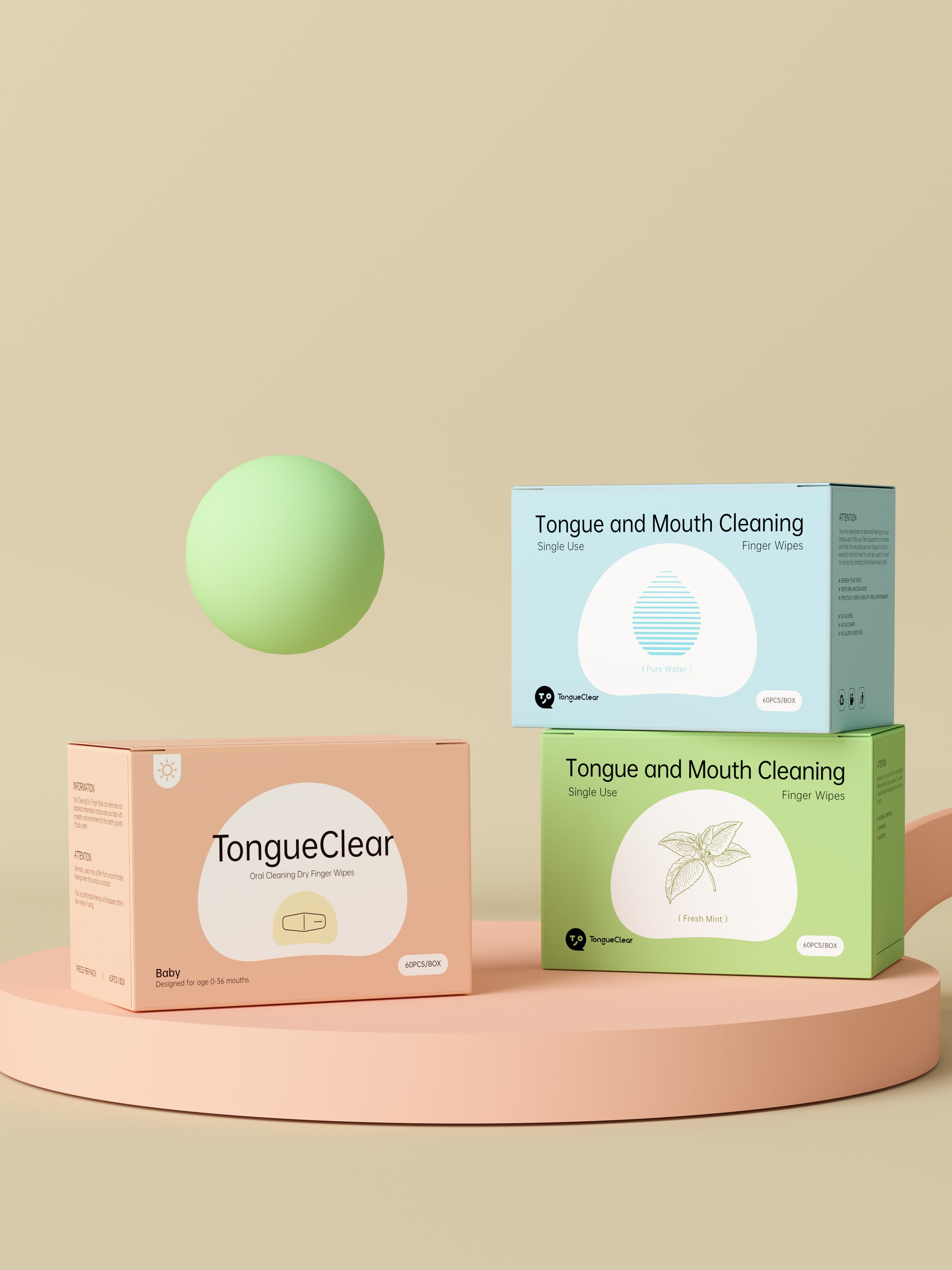
Tip: Bacteria thrive on tongues and cheeks—not just teeth—causing bad breath and infections, yet traditional scrapers often hurt delicate tissue. The TongueClear Oral Cleaner Set solves this with three gentle tools: an airbag brush that glides smoothly over soft tissue, an enzymatic gel toothpaste that breaks down biofilm without abrasives, and finger wipes for ultra-soft cleansing on sensitive days. Together, they target 80% of hidden oral bacteria with a touch so gentle it feels like self-care, delivering fresh breath and lower infection risk without any discomfort.
5. Address Limited Mobility
Arthritis or tremors can make holding a thin toothbrush difficult.
Tip: Look for ergonomic, wide-handle brushes. The composite TPE/PP handle of our Airbag Brush is designed for a secure, non-slip grip.
6. Regular Dental Checkups
Regular check-ups facilitate early detection and treatment of oral diseases, while also enabling timely implementation of preventive measures based on professional advice to control disease progression.
7. Fuel Your Smile: A Nutrient-Rich Diet
What you eat doesn’t just affect your waistline; it directly impacts the strength of your teeth and the health of your gums. For seniors, a balanced diet is a critical defense against tooth loss and infections.
Bone Support: Calcium and Vitamin D are essential for maintaining the density of the jawbone, which anchors your teeth. According to the National Institute on Aging (NIA), a lack of these nutrients can lead to osteoporosis, making teeth more likely to become loose.
Gum Repair: Vitamin C is vital for collagen production, which keeps gum tissue firm and resilient.
The "Post-Meal" Challenge: While eating fibrous fruits and vegetables is healthy, food particles can easily get trapped in receding gums or dental work.
8. Establish a Gentle Routine
Effective cleaning doesn't require aggressive scrubbing. In fact, brushing too hard can wear down enamel and hurt gums. A gentle, rhythmic routine twice a day is far more effective than a forceful one.
Elderly oral care is about more than just a bright smile; it’s about comfort, dignity, and health. Switching to a Gentle Care routine with specialized tools like the Airbag Oral Brush and Full Care Gel can significantly improve quality of life.


