




From ancient wisdom to modern science: The story of full-mouth cleaning
by TongueclearOfficial on Feb 09 2026
Our oral health depends not only on our teeth; the tongue, gums, and oral mucosa also play crucial roles.
Since ancient times, humans have recognized the connection between oral soft tissues and overall health, and have explored how to maintain the cleanliness of the entire oral cavity.
Modern scientific research has found that uncleaned oral mucosa is a breeding ground for bacterial biofilms, which are linked to halitosis, gingivitis, and even overall health.
In this issue, we will review the history of oral mucosal cleaning and reveal why comprehensive oral cleaning is becoming a new trend in modern oral care.


① The core of oral mucosal cleaning lies in removing the biofilm covering the teeth, tongue, gums, and inner walls of the mouth. This thin, sticky bacterial aggregate is the source of many oral problems.

② Cleaning the surface of the tongue removes bacteria and metabolic waste accumulated on the back of the tongue, reducing bad breath and a thick tongue coating; cleaning the gums and gingival sulcus reduces the occurrence of gingivitis and periodontitis, preventing bacteria from penetrating periodontal tissues; cleaning the oral mucosa reduces the chance of bacteria colonizing in all corners of the mouth.

③ Oral biofilms are not limited to the oral cavity; they are closely related to overall health. If bacteria from these biofilms enter the bloodstream, they can increase the risk of cardiovascular disease, diabetes, and chronic inflammatory diseases.

④ Maintaining thorough oral mucosal cleaning not only helps maintain the balance of the oral microecology, improves oral comfort and freshens breath, but also subtly protects overall health.


Removing oral biofilm meets these five key requirements, but many cleaning methods fail to achieve them.

Comprehensive
Brushing your teeth only cleans the teeth, occasionally scraping the tongue with a tongue scraper, or rinsing your mouth with mouthwash only rinses the mouth, but bacteria still lurk in the hard-to-reach corners of the mouth.

Effective
Biofilms are formed by a large number of bacteria tightly adhering to each other through polysaccharides and proteins, making them difficult for ingredients in commonly used oral hygiene products to break down or loosen.

Safety
Brushing your teeth can cause gum bleeding, and a tongue scraper can easily scrape the tongue papillae with a little force, forcing you to be extremely careful for fear of hurting yourself.

Sustainability
Brushing teeth + rinsing mouth + scraping tongue is multi-step and complicated, making it easy to slack off when busy. "Is it really possible to stick to this every day?"

Without disrupting the balance of gut flora
Alcohol-based or strong antibacterial mouthwashes kill bacteria quickly, but also damage beneficial bacteria, leading to dry and unbalanced oral flora. "Is this kind of cleaning really healthy?"
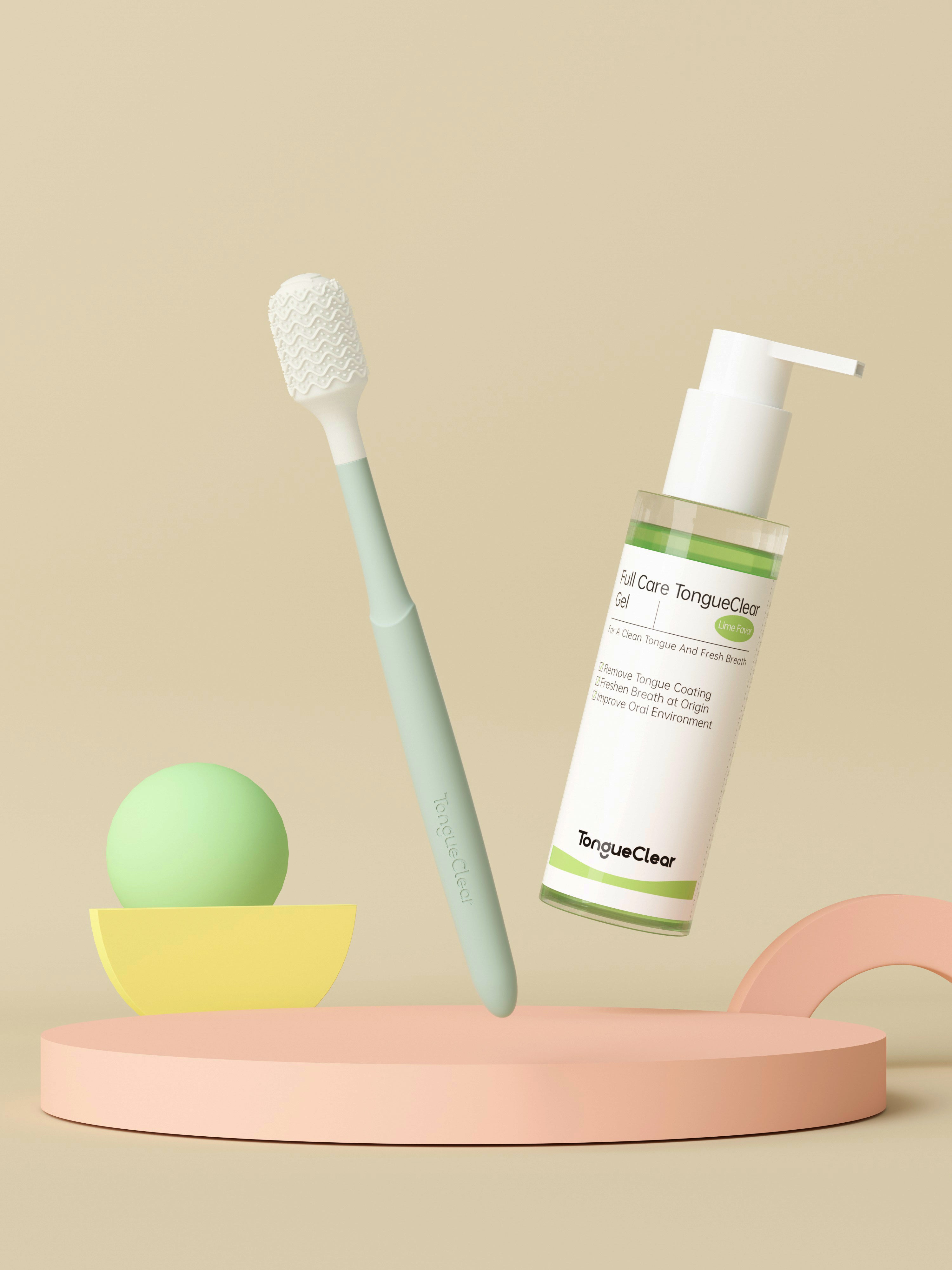
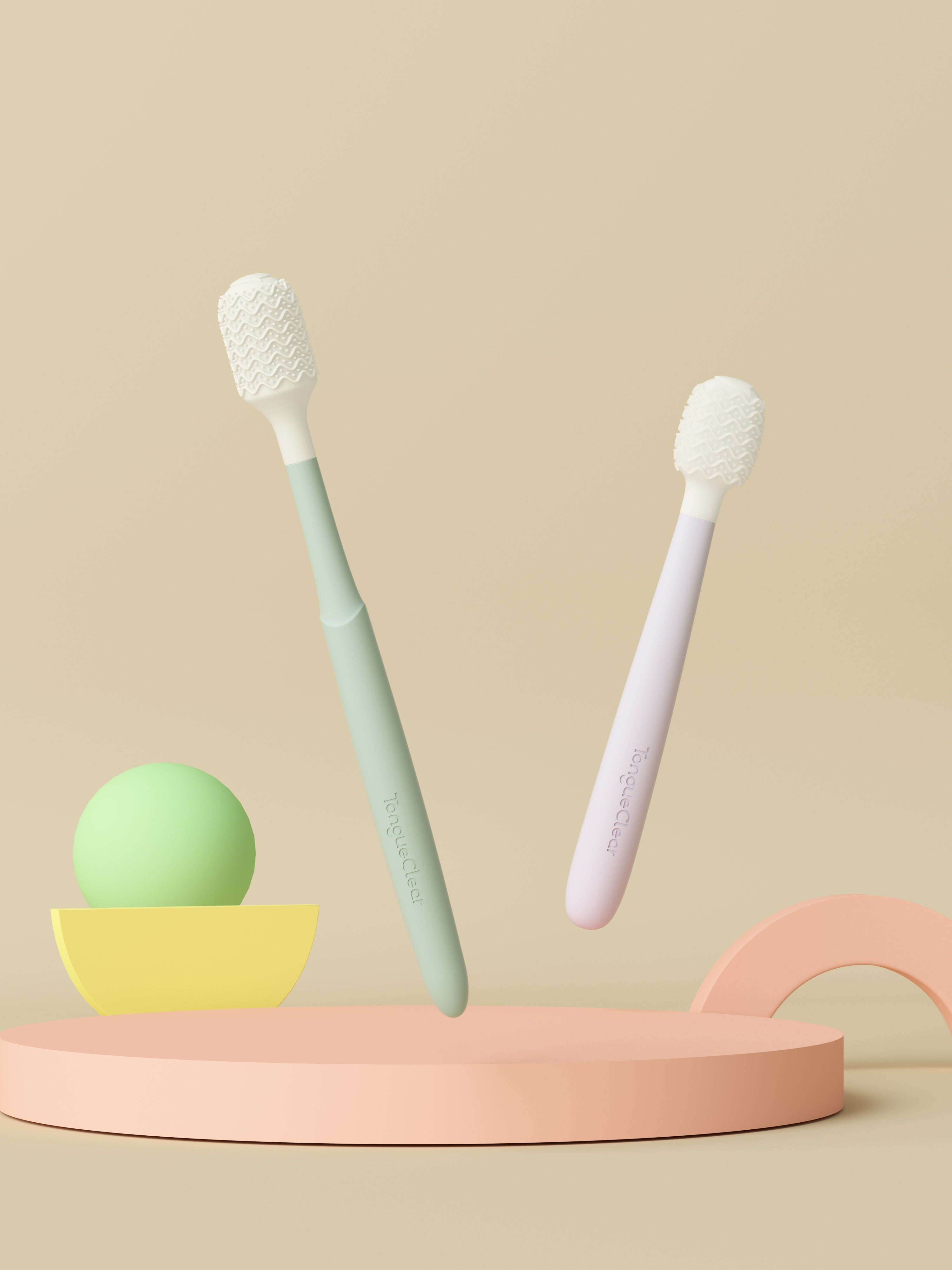
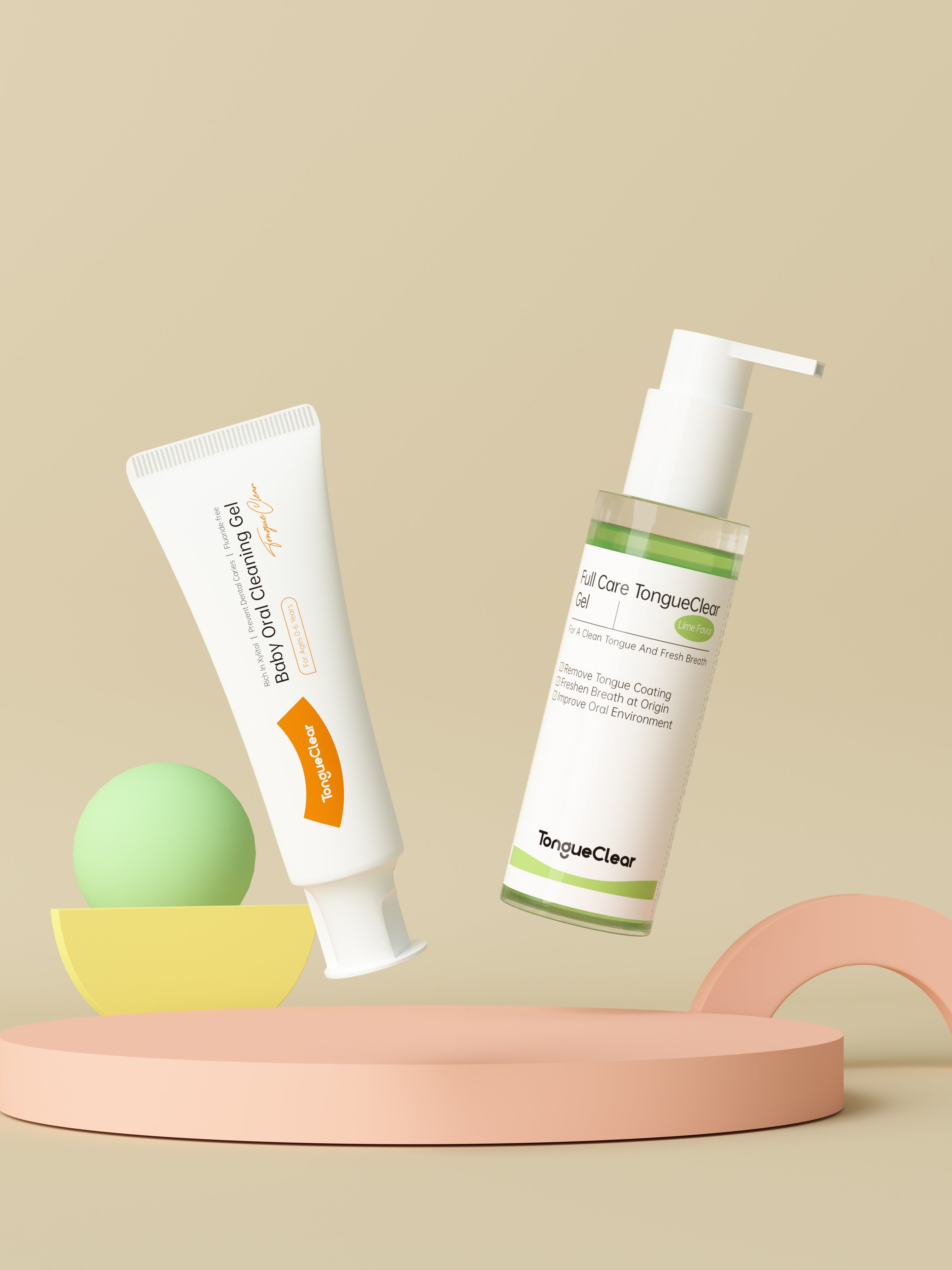
To address this challenge, a combination of a specially designed oral brush for full mouth cleaning and a gentle gel toothpaste was developed.


01 Thorough Cleaning
The oral brush utilizes unique adaptive technology, achieving thorough cleaning of teeth, gums, jaw, tongue, and the inner walls of the mouth in a single application.
02 Decomposing Biofilm Structures
The gel toothpaste contains lysozyme, which reduces the adhesion of bacteria in biofilms, making it easy to remove biofilm when used with the oral brush.
03 Safety Protection
The oral brush's food-grade liquid silicone material and conformal pressure dispersion design, combined with the alcohol-free and SLS-free gentle formula of the gel toothpaste, ensure effective cleaning while avoiding mechanical damage and chemical irritation.
04 Sustainable Cleaning
Using the oral brush and gel simultaneously covers multiple cleaning areas, shortening the process, lowering the barrier to entry, and making it easier to maintain a cleanliness habit long-term.
05 Maintaining Oral Microbiome Balance
Primarily using physical removal, supplemented by gentle ingredients, and not relying on strong bactericides, it reduces odor-causing bacteria while maintaining a stable oral microecology.