




Embarrassed by Bad Breath? The Real Causes and Fixes
by TongueclearOfficial on Sep 30 2026


Clinically speaking, halitosis refers to the foul odor emitted from the mouth or other air-filled cavities (like the nose, sinuses, or pharynx) during respiration. Based on international classification standards and treatment principles, it's divided into genuine halitosis, pseudo-halitosis, and halitophobia. But the one causing real social anxiety is almost always "genuine halitosis."
And for genuine halitosis, the vast majority of the time, the root cause is right there in your mouth.
It’s not your stomach. It’s not "internal heat." It’s not just "your body type."
The real culprits? Oral biofilms and tonsil stones.

Learn what "oral biofilm" and "tonsil stones" are, their shapes to the naked eye, and their composition.

① Oral biofilms are complex clusters of bacteria that cling to your teeth, gums, tongue, and the soft tissues of your mouth. They secrete a sticky matrix to form a protective shield, allowing bacteria to safely survive and multiply.

② In the early stages, biofilms are just a clear or translucent, slimy film. If left uncleaned, they gradually thicken, turning white or yellow, and bring along noticeably worse breath.

③ This biofilm is formed by matrices like polysaccharides and proteins secreted by attached oral bacteria. Inside, it's a mix of bacterial cells, saliva components, and food particles, creating a highly structured and defensive microbial network.

① Tonsil stones are calcified lumps hiding in the crypts (crevices) of your tonsils. Essentially, they are the result of oral "garbage" accumulating, fermenting, and hardening in these pockets over time—the ultimate hidden weapon of stubborn bad breath.

② They usually look like tiny white or pale yellow granules, about the size of a sesame or millet seed, with a rough, irregular surface. They have a soft, crumbly texture, and if you crush one, it unleashes an intensely pungent, putrid stench reminiscent of rotten eggs.

③ Tonsil stones are primarily made up of trapped food particles, dead skin cells, mucus, and hordes of anaerobic bacteria. When minerals in your saliva, like calcium and magnesium, constantly deposit onto this mixture, it calcifies into solid little nuggets.

Oral Biofilm
Dental biofilms harbor massive amounts of bacteria. The anaerobic bacteria within them thrive on proteins—especially sulfur-containing amino acids. As they feed, they release volatile sulfur compounds (VSCs), ammonia, and organic acids, which create that foul odor.
This is particularly true if you suffer from cavities, gingivitis, or periodontitis; bleeding gums and increased inflammatory fluids provide a feast of organic matter for these anaerobes to break down, producing even more VSCs and severely worsening breath odor.

Tonsil Stones
When biofilm isn't thoroughly removed, an influx of bacteria can migrate into the tonsillar crypts. There, they break down trapped food particles and dead cells, constantly generating bad breath while accelerating the formation of tonsil stones.

Gastrointestinal Issues
We swallow anywhere from 600 to 1,000 times a day. If oral biofilm isn't cleared out, these bacteria are constantly ingested into the digestive tract. This can disrupt the balance of your gut microbiome, lower digestive efficiency, and even aggravate conditions like gastroesophageal reflux disease (GERD). The foul-smelling gases produced by these gastrointestinal changes can then travel back up to the mouth via burping or acid reflux, further exacerbating the breath problem.

Respiratory Issues
Bacteria from oral biofilms can also be inhaled into the nasopharynx, trachea, and even the lungs, potentially aggravating existing conditions such as sinusitis, pharyngitis, tonsillitis, or bronchitis. These inflammatory responses produce thick, protein-rich secretions and purulent mucus. Anaerobic bacteria then break down this mucus and any shed cells, releasing odorous gases. As you exhale, these gases are carried back up into the mouth, making your breath even worse.
Most people try to mask the odor with various products, but that's just a temporary band-aid. "Covering it up" is never the ultimate solution; what you really need to do is eliminate the source.
Once you successfully remove that biofilm clinging to your teeth, gums, palate, inner cheeks, and tongue:
At the same time, as your oral environment becomes cleaner and the overall bacterial load drops, fewer food particles and biofilm bacteria make their way into your tonsil crypts. This indirectly disrupts the "fermentation environment" within the crevices, curbing the formation of stones and odors right at the root.

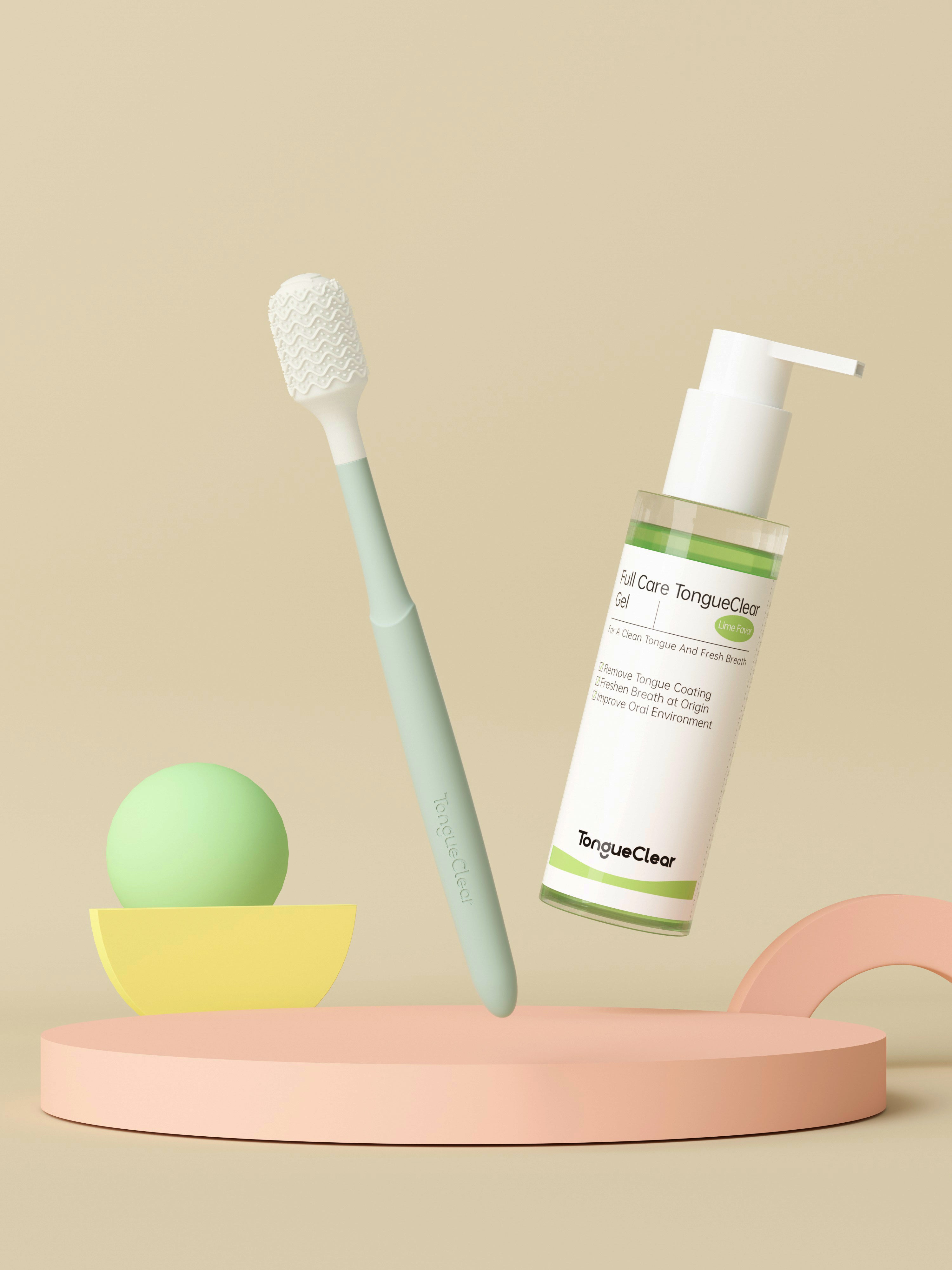
The market is flooded with breath-freshening products, but few hit the mark. That's why a new kind of cleaning tool—one that wraps around the teeth, perfectly contours to the mouth, and cleans without destroying the natural bacterial balance—is becoming the go-to choice for more and more people.


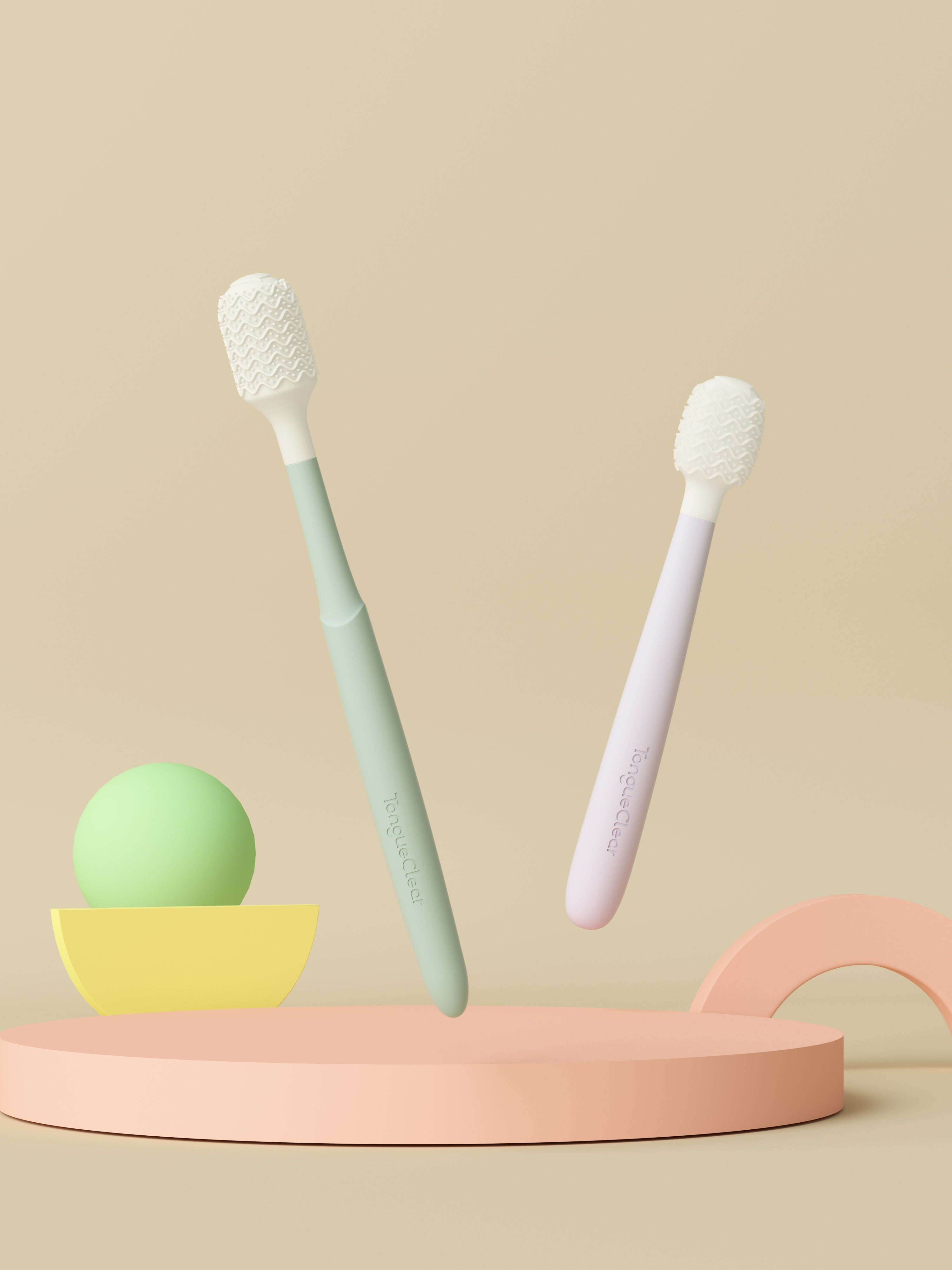
When cleaning your mouth in the morning, you'll find it's not an ordinary brush. It can reach many "unseen" hard-to-reach areas in your mouth.
Once the brush head enters your mouth:
A gentle rotation of the handle causes the brush head to deform in response to different areas of the mouth.

At the same time, it can also clean the oropharyngeal junction area, reducing the chance of tonsil stones forming from the source.

The multi-layered 3D wave-textured airbag brush head adheres to the gums, tongue surface, tooth surfaces, and other oral surfaces in layers, gently removing biofilm from the mouth through physical cleaning.

Many traditional mouthwashes rely on harsh chemicals and an intense cooling sensation. While your mouth might feel temporarily "clean," these products can actually disrupt your mouth's natural microbiome balance, leaving your oral tissues drier and more sensitive—which ultimately makes bad breath more likely to return.
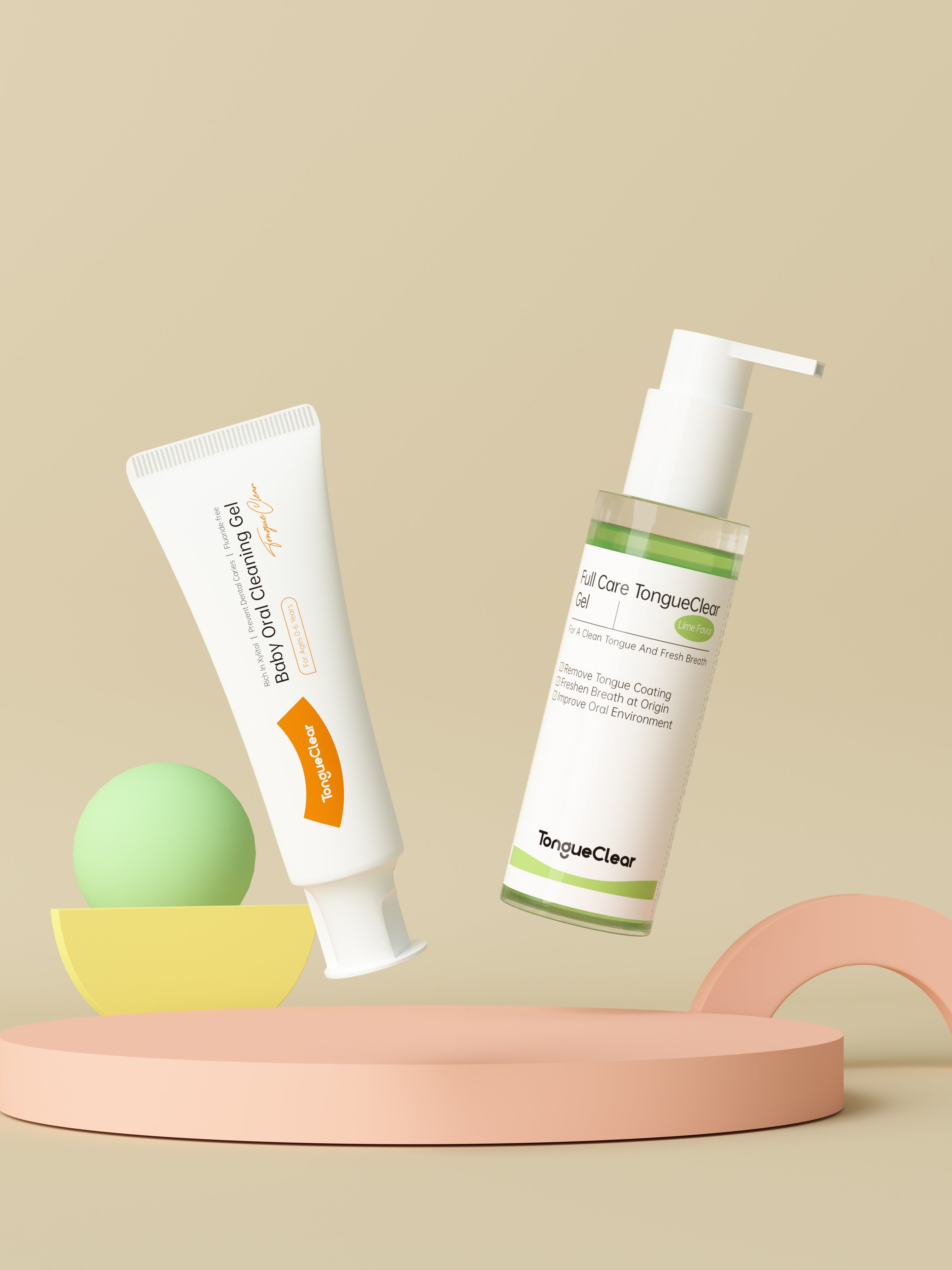
The TongueClear Oral Cleaning Gel takes a completely different approach:
The entire cleaning experience is remarkably gentle and comfortable, yet it thoroughly covers those easily neglected areas of your mouth. It truly tackles odor right at the source, leaving your breath naturally fresh and your mouth perfectly balanced.
We recruited 12 participants for our experimental test. To construct the biofilm, the participants were asked to avoid brushing their teeth for 100 hours.
On the fifth day, let's first look at the basic progress of the biofilm construction (using a biofilm staining agent):

Next, the 12 participants were divided into four groups of three, each using a different tool to clean their mouths.
Group 1: Used only a toothbrush;
Group 2: Used a toothbrush + tongue scraper;
Group 3: Used a toothbrush + mouthwash;
Group 4: Used a toothbrush + TongueClear set. Let's take a look at the cleaning results:

We then collected biofilm samples—separately from each of these four groups—from the gums, tongue surface, underside of the tongue, inner cheeks, and palate, and placed them under a microscope for observation.

We also conducted Volatile Sulfur Compound (VSC) breath tests on all four groups. Subjects kept their mouths closed for 3 minutes, after which oral gas samples were collected via a professional gas sampling tube to measure the reduction in VSC levels.

The results showed that when Tongueclear cleaned the mouth, biofilms on teeth, tongue, gums, upper and lower jaws and oral soft tissues could be gently removed, and breath was significantly improved—even the subjects themselves could feel that their breath became fresher.

After using TongueClear for a while, changes sometimes become noticeable only after they occur.
Perhaps when a family member is close by and talking, they might casually ask, "Did you just brush your teeth?"
It might also be that a friend leaned in a little too close during a chat and said, "Have you changed toothpaste recently? Your breath feels really fresh."
They are unaware that you've used TongueClear and won't analyze your breath seriously.
People close to you usually don't deliberately use flattering tones, but they can sense it—the awkward pauses in conversation disappear when they speak to you.
It's not an overpowering mint flavor, nor is it about masking something with fragrance. Instead, it offers a subtle, clean, and refreshing sensation. After drinking coffee, eating, or chatting for a long time, it doesn't easily leave your mouth feeling dull or sticky.
You will gradually realize that what truly makes people relax is not the exaggerated words spoken by others, but the fact that speaking up close no longer requires such caution.

Here's What Our Customers Are Saying

TongueClear wants you to try our products with complete peace of mind:
Bad breath is never "just a small issue." So many people try desperately to cover it up with harsher mouthwashes or by brushing ten times a day. But the smell always comes back because the source was never actually cleaned.
When you expand your cleaning routine from just "your teeth" to "your entire mouth," you change the game. The next time you open your mouth, you can speak up and smile with absolute confidence—no need to take a half-step back during close conversations.
Freshness starts at the source. Make confidence your everyday default.