
How can bad breath be systematically treated?

by TongueclearOfficial on Mar 13 2026

Over the years, I've connected with countless individuals plagued by bad breath. They diligently brush, use mouthwash, and try every breath-freshening product on the market, yet the odor always seems to come back.

They hesitate to speak closely with colleagues, subconsciously keep their distance in social settings, and even see their intimate relationships suffer as a result.

Chronic bad breath usually stems from much deeper issues. In this article, I want to break down why stubborn bad breath keeps recurring and, more importantly, how you can actually fix it.

Chronic Bad Breath is Almost Always Pathological

There are two main types of bad breath: physiological and pathological.

Physiological Bad Breath:

This includes "morning breath" caused by reduced saliva flow overnight, or the temporary odors you get from eating garlic, onions, or going too long without food or water. If the odor disappears after brushing, rinsing, or grabbing a bite to eat, it’s just temporary.

Pathological Bad Breath:

This is the type that requires real attention—it acts as a warning sign for underlying health issues.

  • Oral Biofilm: Our mouths aren't completely smooth surfaces; they are complex microenvironments coated in biofilm. This film thrives everywhere—on the gums, the roof and floor of the mouth, the inner cheeks, teeth, and the tongue. Countless bacteria set up camp beneath it. The anaerobic bacteria here (like Porphyromonas gingivalis, Fusobacterium nucleatum, Treponema denticola, Prevotella intermedia, and Tannerella forsythia) break down food debris and produce volatile sulfur compounds (VSCs), which are the root cause of the odor.
  • Tongue Coating: The papillae on your tongue create tiny crevices that are hard to clean, forming the perfect oxygen-deprived environment. Shed epithelial cells, food particles, and salivary proteins accumulate here to form a coating. Anaerobic bacteria multiply rapidly in this layer, breaking down proteins to release foul-smelling compounds. Factors like dry mouth and reduced saliva flow at night only accelerate this bacterial growth and worsen the odor.
  • Tonsil Stones: Furthermore, if the biofilm isn't thoroughly removed, remnants can slip into the tonsil crypts. There, anaerobic bacteria continually break down debris and dead cells, producing a constant odor and eventually forming tonsil stones. These stones act like condensed "odor packets" that release highly concentrated bad breath when you speak or swallow.

Biofilm Doesn't Just Cause Bad Breath—It Makes It Worse:

  • Dental Calculus (Tartar): Over time, unremoved biofilm calcifies into tartar, blocking the gumline and creating oxygen-deprived pockets for anaerobic bacteria. This constantly irritates the gums, leading to redness, swelling, and bleeding while brushing. That seeping blood is high-octane fuel for anaerobic bacteria, doubling the intensity of the odor.
  • Periodontal Disease: Left unchecked, the inflammation deepens. Gum capillaries dilate and swell, and the gingival sulcus deepens, resulting in gingivitis. This inflammation causes gingival crevicular fluid (a high-protein substance that anaerobic bacteria love) to surge by 10 to 20 times. Once bleeding occurs, it produces a massive amount of "rotten egg" smelling breath. If still ignored, the gums separate from the teeth to form pathological periodontal pockets. At this stage, the breath takes on a severe, pungent stench.
  • Digestive Tract Issues: We swallow 600 to 1,000 times a day. During this process, bacteria from the oral biofilm are swallowed directly into the digestive tract. This can disrupt gut flora, lower digestion efficiency, and even worsen issues like acid reflux. The foul gases produced by these digestive changes can travel back up into the mouth via burping or reflux, further aggravating bad breath.
  • Respiratory Tract Issues: Bacteria from the oral biofilm can also be inhaled into the nasopharynx, trachea, or even the lungs, potentially worsening sinusitis, pharyngitis, tonsillitis, or bronchitis. Inflammation produces thick secretions and purulent mucus, which are rich in proteins. Anaerobic bacteria break down this mucus and shed cells in the respiratory tract, generating foul gases that are exhaled back through the mouth.

How to Eliminate Bad Breath at Its Root Cause

Now that you understand the science, you can see why bad breath isn't easily cured—otherwise, a third of the global population wouldn't be suffering (and sometimes even facing depression) because of it.

We know the true source of bad breath is the oral biofilm. It creates the odor and amplifies it by triggering oral diseases, accelerating tonsil stone formation, and impacting both the respiratory and digestive systems.

Therefore, the critical step to improving and curing bad breath is cutting off the source: eradicating the full-mouth biofilm.

However, this sticky bacterial film clings to the gums, tongue, teeth, palate, and inner cheeks.

Like brushing your teeth, scraping your tongue, and using mouthwash—either miss large sections of the biofilm entirely or only clean the superficial layer.

Drawing from years of experience dealing with bad breath, I sincerely want to recommend a completely new daily oral care routine, and explain exactly why it works better.

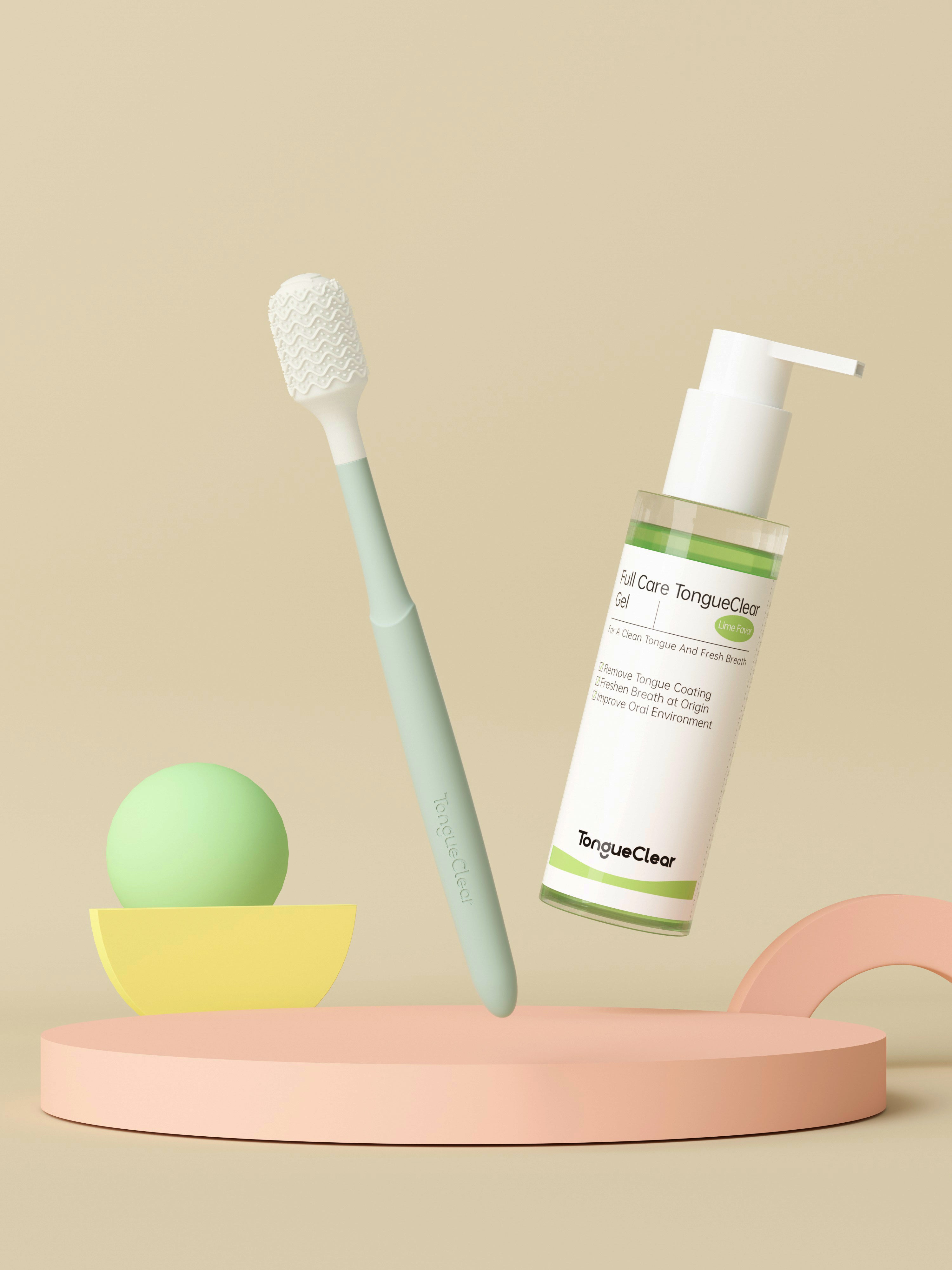
TongueClear Oral Cleaner Set

When you first see this setup, you might think the brush looks a bit strange. But its unique design is exactly what gives it its core power: the ability to sweep away biofilm from the entire mouth!

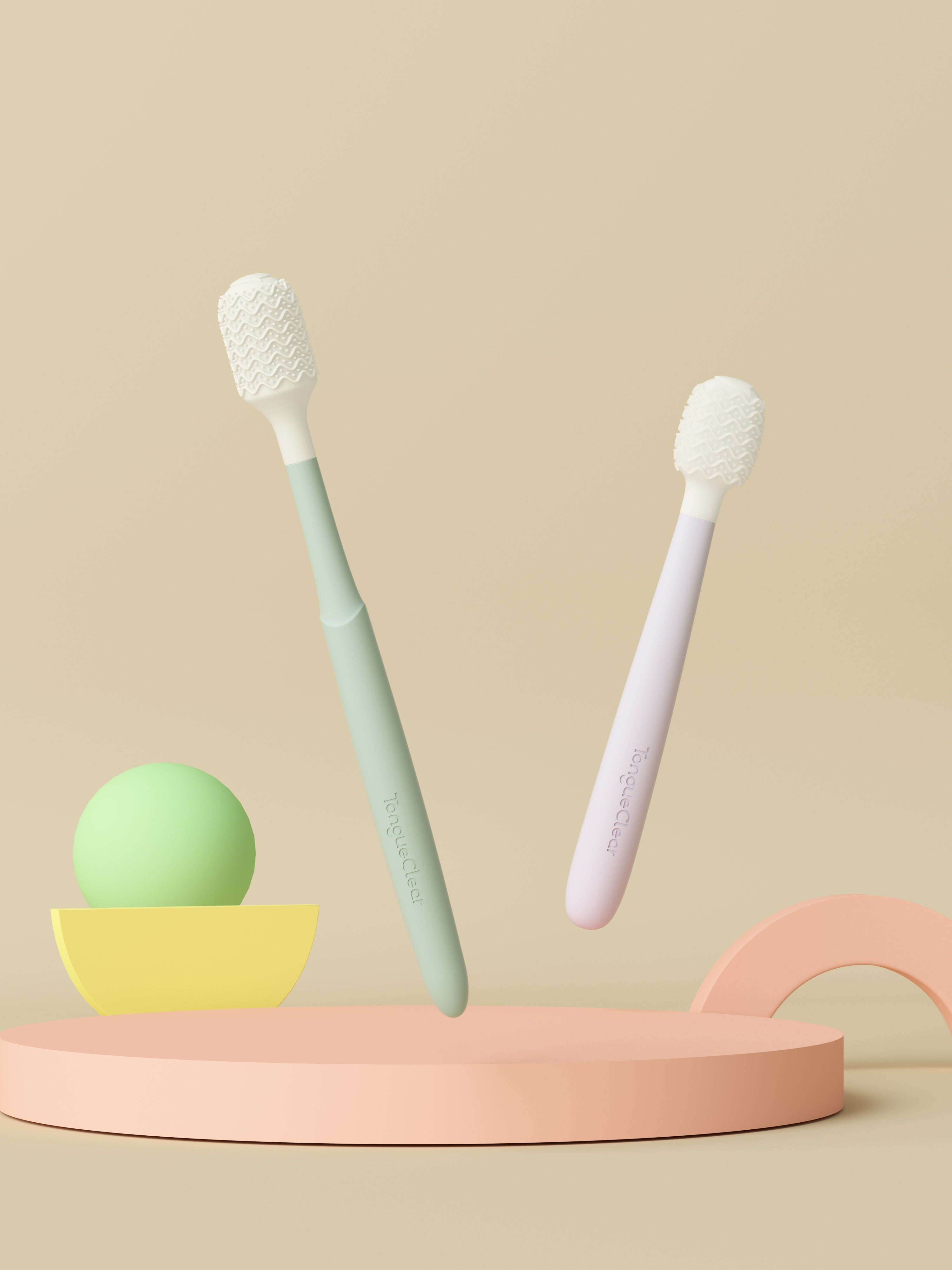
Airbag Oral Brush

The brush head utilizes unique Flexconform technology, allowing it to adapt its shape to perfectly fit every contour of your mouth (teeth, tongue, palate, and inner cheeks). Meanwhile, the 8-layer wavy and dotted silicone bristles effectively wrap around and sweep away food debris and biofilm.

You might wonder: Will it damage the soft tissues of my tongue, palate, or cheeks?

Rest assured, the brush head is made of antibacterial liquid silicone, delivering exceptional safety and softness. You don't have to worry about harming your delicate oral tissues

Using the Airbag Oral Brush to reach every 360° blind spot in your mouth, ensuring the active ingredients in the gel make contact with every single patch of biofilm.

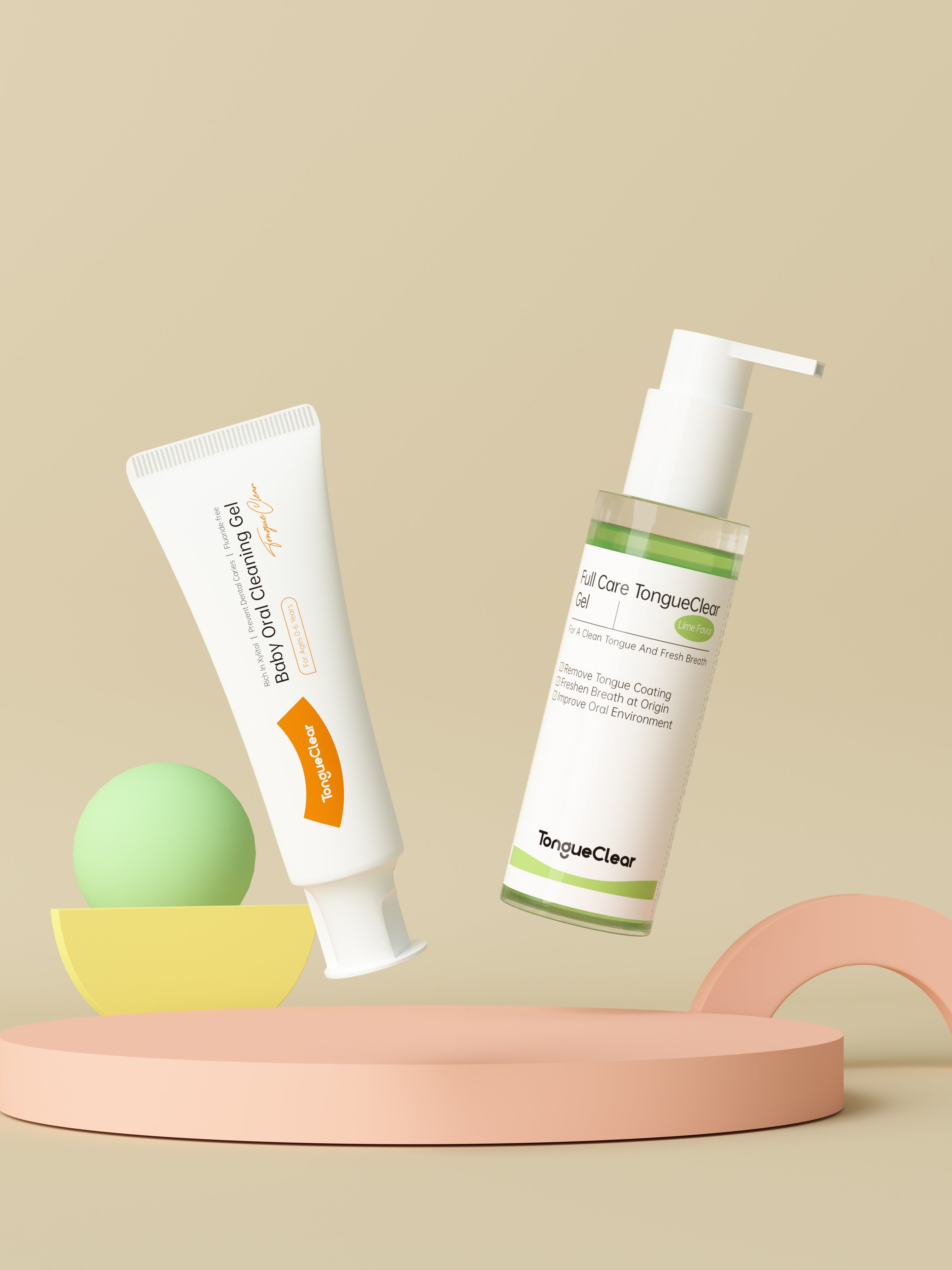
Oral Cleaning Gel

What I want to emphasize most is the synergistic effect of the brush and the gel: eliminating full-mouth biofilm at the root for truly fresh breath.

The Lysozyme in the Oral Cleaning Gel goes to work. It precisely dismantles the core structure of the biofilm, completely neutralizing the odor-producing bacteria hidden inside. Combined with the physical sweeping action of the brush, the silicone bristles trap and lift away the broken-down debris and biofilm from every surface.

In this newly clean oral environment, the lime-mint/natural fruit fresh molecules in the gel adhere firmly to the oral mucosa and the surface of the tongue. These molecules instantly fill your mouth, eliminating odors and leaving a long-lasting, fresh scent.

Once the biofilm across your entire mouth is removed, the source of the odor vanishes. This also completely blocks the biofilm's chances of invading your tonsil crypts, respiratory tract, and digestive system.

As you consistently remove the biofilm over time, your oral ecology will gradually improve. The bacterial flora in your mouth will balance out, and your bad breath will fade.

Better yet, because the biofilm is no longer invading your digestive and respiratory systems, your gut has time to stabilize its flora—reducing abnormal food fermentation and reflux-induced odors. Your respiratory mucosa will experience less inflammatory irritation, reducing the mucus breakdown that causes bad smells.

Over time, bad breath stops recurring, and your overall oral and respiratory health naturally settles into a healthier, more comfortable cycle.

Let the Data Speak for Itself

We conducted a 3-month observational study with 30 participants who used the TongueClear Oral Cleaner Set (twice daily on a fixed schedule), while controlling for variables like diet and sleep. Here are the core findings:

1. Long-Term Efficacy

Monthly statistics showing the reduction rate of bad breath at 15 minutes, 3 hours, and 6 hours after using Tongueclear.

As the data shows, the breath-improving effects consistently compound and increase with prolonged use.

2. Bacterial Control

Changes in oral bacterial colony counts across different stages (using the stable monitored value 2 hours post-use as a baseline).

Overall, with continuous use, the bacterial load in the mouth remains at a significantly lower level, effectively destroying the foundational environment needed for biofilm to re-form.

Furthermore, if you want to eliminate bad breath, a healthy diet is essential. I personally recommend cutting back on garlic, onions, spicy seasonings, and high-sugar snacks, as these are notorious for worsening breath.

Instead, load up on fiber-rich fresh fruits and vegetables like apples, carrots, and celery. Not only do they stimulate saliva production to naturally clean your mouth, but they also provide healthy prebiotics for your gut, which indirectly reduces breath issues. Moderate amounts of protein, like fish and chicken, provide essential nutrients without contributing to oral odors.

A quick medical note: If you are already suffering from diagnosed oral, digestive, or respiratory diseases, please consult a physician. Actively receiving medical treatment while diligently clearing your oral biofilm every day is the best path to gradually improving your breath.

While bad breath is undeniably frustrating, once you target the source and combine scientific cleaning with a healthy diet, you can absolutely turn things around. You will regain your confident smile and comfortable social distance. I hope my experience brings you closer to the fresh breath you deserve.