






Understanding Bad Breath From Oral Health to Whole-Body Causes
by TongueclearOfficial on May 20 2026

| If you are experiencing... | Start by reading... |
|---|---|
| Bad breath returning shortly after brushing, a thick tongue coating, or odors from the back of the mouth | 1. Oral Bacteria, Tongue Coating, and Biofilms |
| Bleeding gums, heavy tartar, or a foul smell coming from between your teeth | 2. Gum and Periodontal Issues |
| Heavy morning breath, a dry mouth, or noticeable odors after drinking coffee | 3. Dry Mouth |
| Congestion, post-nasal drip, a feeling of something stuck in your throat, or tonsil stones | 4. Nasal, Sinus, Throat, and Tonsil Issues |
| Noticeable breath changes after coffee, garlic, onions, fasting, or starting a keto diet | 5. Diet, Coffee, Keto, and Lifestyle Habits |
| Acid reflux, heartburn, a bitter taste, a highly specific odor, or you are on long-term medication | 6. GERD, Medications, and Systemic Causes |
| Long-lasting bad breath, or breath issues accompanied by pain, bleeding, or difficulty swallowing | When to See a Dentist or Doctor |

For most cases of bad breath, the troubleshooting should start right inside the mouth.
Your mouth is naturally home to a massive amount of bacteria. When food particles, dead cells, and salivary proteins linger in your mouth, these bacteria break them down. This breakdown process can release foul-smelling gases, such as volatile sulfur compounds (VSCs).
This explains why some people brush their teeth every day but still struggle with recurring bad breath. Beyond just the teeth, bacteria and odor-causing particles can cling to your tongue, the gumline, the spaces between your teeth, the roof of your mouth, the soft palate, the inside of your cheeks, and under your tongue. The surface of your tongue is especially vulnerable—it isn't smooth; it's full of tiny grooves and textures that easily trap residue, forming a white or yellow tongue coating.
This brings us to an important concept: Oral Biofilms. Simply put, a biofilm is a sticky, structured community of bacteria that adheres to surfaces in your mouth (dental plaque is a prime example). This is why a quick rinse with mouthwash rarely offers a long-term fix. If the root cause of the odor is safely shielded within a biofilm on your tongue, gumline, or other soft tissues, the smell will inevitably return.
Stick to a solid daily routine: brush thoroughly, use dental floss or a water flosser, gently clean your tongue, and get regular professional dental cleanings. When cleaning your tongue, do not scrape so hard that it causes pain or bleeding. The goal isn't to scrape your tongue completely raw, but rather to remove the excess buildup and eliminate the source of the odor.

If your bad breath is persistent and accompanied by bleeding gums, tartar buildup, or a bad smell coming from between your teeth, pay close attention to your gum and periodontal health.
When plaque builds up along the gumline over time, it can trigger gingivitis (gum inflammation). If left unchecked, this can progress into periodontal pockets—gaps that form between your teeth and gums, allowing bacteria to accumulate deep below the surface. The bacteria, inflammatory secretions, and trapped debris inside these pockets can produce a very distinct, potent odor.
For mild gum irritation, stepping up your oral hygiene game—brushing properly, flossing, using a water flosser, and getting routine dental cleanings—is a great start. However, if you're dealing with chronic bleeding, loose teeth, receding gums, or widening gaps between your teeth, you need a professional evaluation and treatment from a dentist.

Saliva is incredibly important for your oral health. Not only does it keep your mouth comfortably lubricated, but it also helps wash away food particles, bacterial waste, and dead cells. In short, saliva acts as your mouth's natural self-cleaning system.
When saliva production drops, residue and odor-causing compounds linger in your mouth much longer, making bad breath far more noticeable. This is precisely why your breath might smell worse right after you wake up, after talking for a long time, after a cup of coffee, during moments of high stress, or if you sleep with your mouth open.
If you only experience dry mouth occasionally, start by staying hydrated. Cut back on alcohol and tobacco, drink water immediately after having coffee, and try to address any mouth-breathing habits. If your dry mouth is chronic—to the point where it affects your speech, swallowing, or sleep, or is accompanied by a burning sensation or dry eyes—it’s time to consult a doctor or dentist.

Bad breath doesn't always originate from your teeth and tongue. Issues in your nasal cavity, sinuses, throat, and tonsils can also cause odors that are expelled through your mouth or breath.
Conditions like post-nasal drip, chronic sinusitis, chronic congestion, throat infections, or tonsil stones (tonsilloliths) are all deeply connected to your breath. Many people with these issues report feeling like their bad breath isn't coming from their teeth, but rather from "deep within the throat."
If these symptoms keep coming back, it’s highly recommended to see an ENT (Ear, Nose, and Throat) specialist. If you spot tonsil stones, avoid aggressively picking or poking at them yourself, as this can irritate or damage the delicate tissue. Seek immediate medical attention if these symptoms are paired with a fever, severe pain, or difficulty swallowing.

Sometimes, a change in your breath is directly tied to what you put in your body. Garlic, onions, strong spices, coffee, alcohol, high-protein diets, and dairy can all make their presence known on your breath.
Some foods simply leave a lingering odor in your mouth. Others contain compounds that are absorbed into your bloodstream and eventually expelled through your lungs as you breathe. Because of this, brushing your teeth won't instantly make the smell disappear.
A unique scenario is "Keto Breath." When you adopt a ketogenic diet, a low-carb diet, or do intermittent fasting, your body produces more ketones. Some of these ketones are released through your breath, creating an odor that can smell like acetone (nail polish remover), metallic, fruity, or sickly sweet.
Additionally, lifestyle factors like smoking, staying up late, high stress, dehydration, or inconsistent oral care can indirectly worsen your breath by promoting dry mouth, gum issues, or acid reflux.
Start by paying attention to which foods or habits trigger your bad breath. Drink a glass of water after having coffee or alcohol, and make sure to clean between your teeth and brush your tongue after meals. If your bad breath is caused by keto or fasting, you usually need to adjust your macronutrient intake, boost your hydration, and monitor your overall metabolic state.

Whenever bad breath strikes, many people immediately blame their stomach. And it's true—gastroesophageal reflux disease (GERD), certain digestive or metabolic issues, diabetes-related ketosis, and liver or kidney conditions can indeed alter the way your breath smells.
However, not all bad breath is a stomach issue. In the vast majority of cases, the mouth, tongue coating, gums, dry mouth, or sinus/throat issues are the actual culprits.
You should consider systemic or digestive causes if your bad breath is accompanied by acid reflux, heartburn, a bitter taste in your mouth, bloating, excessive burping, a burning sensation in your throat, difficulty swallowing, or a highly distinct, unusual odor.
Furthermore, certain medications can indirectly cause bad breath by drying out your mouth. Common culprits include some antihistamines, decongestants, blood pressure medications, and antidepressants or anti-anxiety drugs.
If you suffer from chronic acid reflux, heartburn, stomach pain, or difficulty swallowing—or if your breath suddenly changes drastically alongside systemic symptoms like extreme fatigue, unquenchable thirst, or sudden weight changes—see a doctor promptly. If you suspect a medication is causing dry mouth or bad breath, do not stop taking it on your own; consult your doctor to see if an alternative is available.

If your bad breath only pops up occasionally, it’s likely tied to your diet, morning dry mouth, or a temporary slip in your brushing routine.
But if it sticks around or brings friends (other symptoms), don't just rely on mints, mouthwash, or basic hygiene products. You should book an appointment with a healthcare professional if:
Bad breath itself doesn't necessarily mean you have a severe illness, but if it is chronic, recurring, and accompanied by other symptoms, it requires a proper medical evaluation.

As we've seen, there are many different causes of bad breath, which means there isn't one single magical cure for all of them.
If your bad breath is rooted in periodontal disease, sinusitis, tonsil stones, GERD, or systemic illnesses, you need a professional evaluation from a doctor or dentist.
But for many people, recurring bad breath simply comes down to incomplete oral hygiene. Beyond just your teeth and the top of your tongue, bacteria and odor-causing residue can easily hide on the roof of your mouth, the soft palate, the insides of your cheeks, the gumline, and under your tongue.
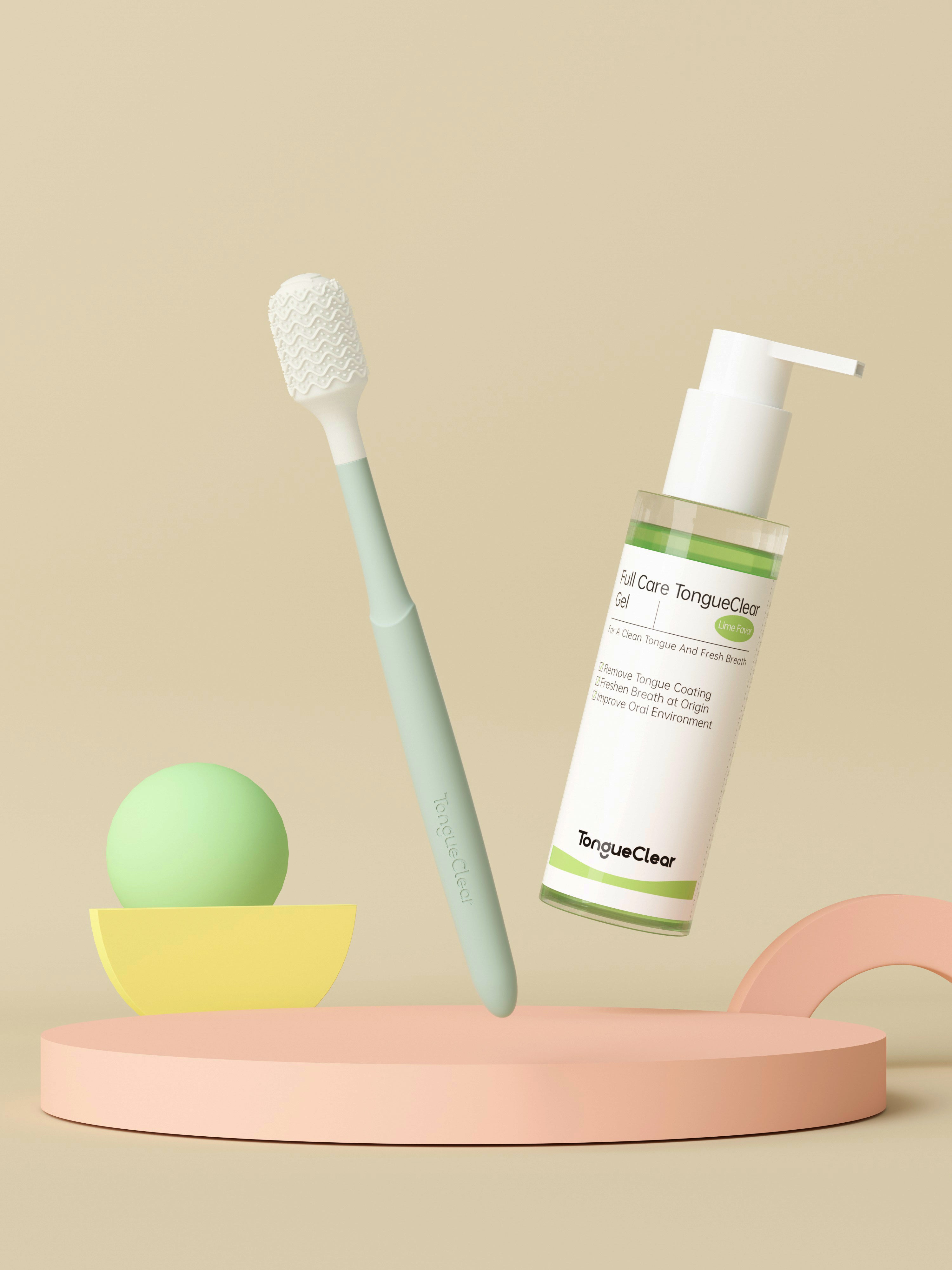
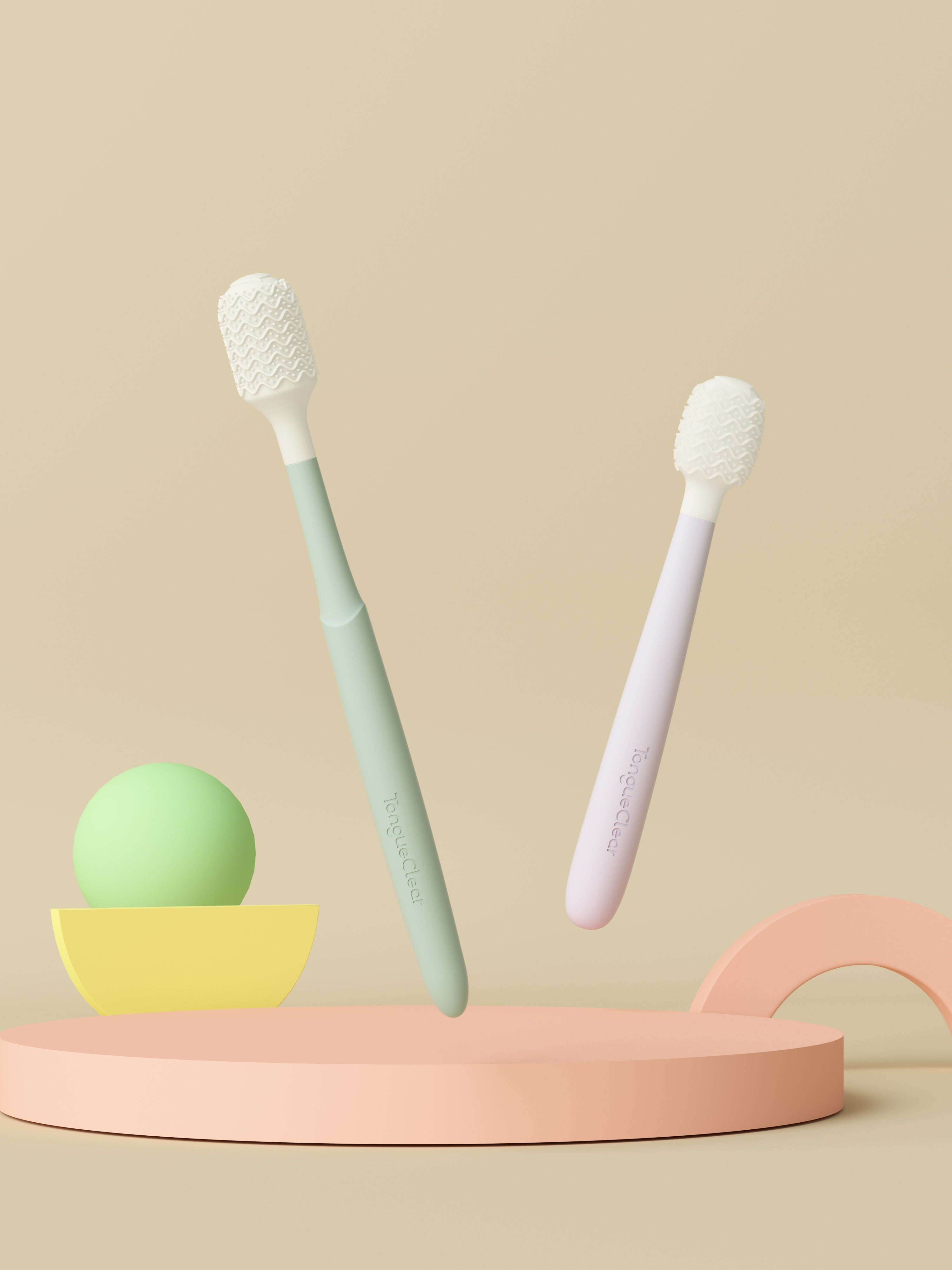
The design philosophy behind TongueClear is to help you gently and effectively care for these often-overlooked areas of your mouth.
While it cannot replace a medical diagnosis or treat every type of bad breath, it serves as an excellent addition to your daily routine. If your breath issues stem from incomplete oral cleaning, incorporating TongueClear can help you manage your breath more systematically, keeping your whole mouth feeling truly fresh.