Life Tips

Daily teeth cleaning, gums bleeding frequently, why?

Life Tips

Daily teeth cleaning, gums bleeding frequently, why?

by TongueclearOfficial on Oct 14 2024
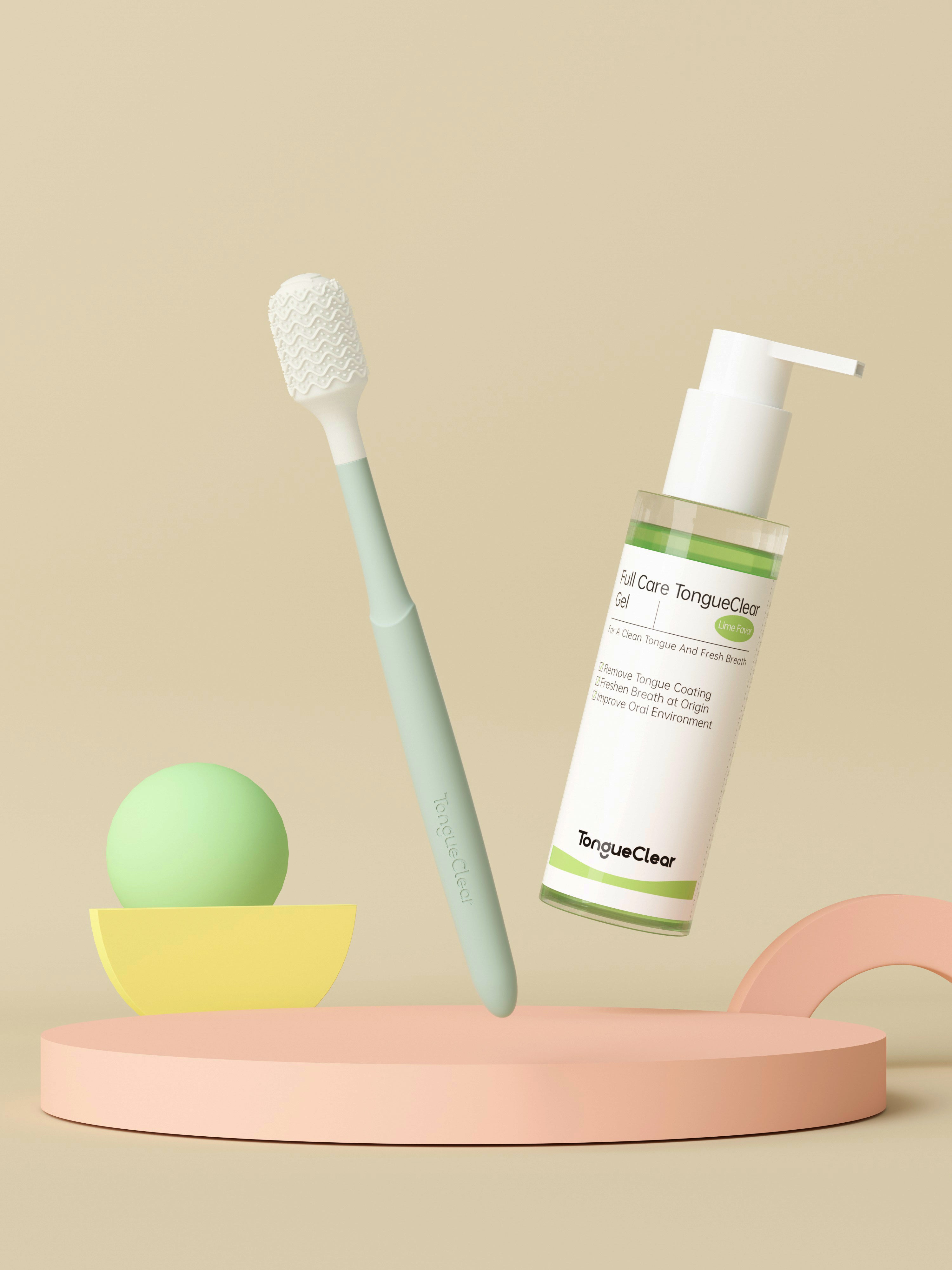
Gum bleeding is a common oral problem. About 80% of people worldwide have experienced or are experiencing gum bleeding. Apart from the effects of inappropriate cleaning utensils or overly hard food on the oral cavity, the main cause of gum bleeding is inflammation of the gums under the stimulation of bacteria, which makes the gums fragile and sensitive. Incorrect cleaning methods cause them to bleed at the touch. Teeth account for 25% of the entire oral cavity, and the rest is mucosal tissue. Gums are also one of the mucosal tissues. Teeth grow on the gums, just like flowers grow in the soil. In the case of bleeding gums, continuing to use incorrect oral cleaning methods will make the problem more serious, so the results will not meet expectations; to care for bleeding gums and restore the oral cavity to a dynamic and healthy state, you need to sterilize the gums, massage the gums, and reduce factors that irritate the gums. In overall oral hygiene, everyone should think that mouthwash is one of the long-term effective ways to kill bacteria, but mouthwash removes bacteria in a free state and has little effect on bacterial biofilms that have already adhered to the oral mucosa or teeth. Within a few hours after use, the bacteria will return to the level before use, and the timeliness is very short and irritating. But long-term use is not recommended. Excessive brushing can irritate and worsen gum damage, and it also fails to clean the bacteria on the gums. Long-term use of mouthwash can damage the oral flora and irritate the mucosa. Are there other safe, effective, and long-lasting products for cleaning the oral mucosa? TongueClear oral airbag brush can effectively remove bacterial biofilm on the gums by scraping with the airbag brush head. Bacterial biofilm has a certain stickiness and cannot be removed by ordinary mouthwash. The gentle and soft wiping of the airbag brush head will not only not damage the gum tissue, but also effectively peel off the adhered bacteria, remove food residues in the mouth, make the bacteria lose food, and find it difficult to reproduce, reduce the activity of bacteria and naturally die. It has little irritation to the mucosa. Unlike the hard texture of toothbrushes or tongue brushes, oral brushes are soft and tough, and the cleaning process is gentle with little foreign body sensation. It is also different from chemical mouthwashes for the purpose of inactivation. Physical cleaning is safer, more efficient, and longer-lasting.
Unlocking the secrets of oral thrush: Advice from health experts

Life Tips

Unlocking the secrets of oral thrush: Advice from health experts

by TongueclearOfficial on Sep 27 2024
Oral thrush, also known as oral candidiasis, is a common oral disease. It is caused by Candida infection and usually affects infants, the elderly, and people with weak immune systems. Especially among infants, many mothers are still immersed in the joy of the baby's arrival. Because the baby's mouth is very delicate, they are worried or afraid that cleaning will hurt the baby, so they will ignore oral hygiene, which will induce oral diseases such as thrush. But don't panic, we only need to understand the symptoms, causes, treatments and preventive measures of the disease, so that we can better manage oral health. What is thrush? Thrush is a disease caused by a fungal infection, most commonly caused by Candida albicans. This fungus is normally present in the mouth, but under certain conditions, it can overgrow and cause an infection. Typical symptoms of thrush include white spots in the mouth, pain, difficulty swallowing, and dryness in the mouth. Sometimes, the infection can also cause redness, swelling, and discomfort in other areas of the mouth. Causes of Thrush Thrush can be caused by a variety of reasons, usually due to the following:1. Low immunity: A weak immune system makes the body susceptible to infection.2. Antibiotic use: Antibiotics kill the beneficial bacteria in the mouth, allowing Candida to multiply rapidly.3. Diabetes: High blood sugar levels help Candida to grow, making diabetics more susceptible to infection.4. Poor oral hygiene: Lack of good oral care habits can lead to an imbalance of bacteria in the mouth, increasing the risk of infection. Although thrush is a common oral disease, it can cause great harm to the body if it is not treated in time. Therefore, once you find symptoms of thrush, you should go to the hospital in time and take effective treatment measures. How to treat thrush? If you have symptoms of thrush or suspect you have thrush, please see a doctor immediately. Treatment for thrush usually includes the use of antifungal drugs, such as fluconazole or clotrimazole. Maintain good oral hygiene and perform full oral cleaning regularly. It should be noted that brushing and flossing can only clean 25% of the oral area. The other 75% is made up of oral mucosa. Therefore, if you want to achieve true oral cleaning, you need to clean not only the teeth but also the oral mucosa. Only in this way can you effectively prevent reinfection and speed up recovery. At the same time, you should also reduce the consumption of irritating foods and keep your diet light. How to prevent thrush? The key to preventing thrush is to maintain oral health and good living habits. Here are some effective preventive measures:Regular oral cleaning: Brush your teeth at least twice a day and use dental floss to clean the residue between the teeth. At the same time, use oral mucosal cleaning tools to clean the oral cavity other than the teeth, so as to achieve true full oral cleaning, remove harmful bacteria, and maintain oral hygiene.Healthy diet: Maintain a balanced diet and reduce sugar intake to reduce the chance of Candida growth.Exercise and fitness: Exercise to enhance immunity and prevent infection caused by low immunity.Regular health checks: Especially for diabetics, regularly monitor blood sugar levels and maintain a healthy lifestyle.
Understanding Gum Disease: How to Prevent and Maintain Oral Health

Life Tips

Understanding Gum Disease: How to Prevent and Maintain Oral Health

by TongueclearOfficial on Sep 19 2024
 What are the types of gum disease and what are their symptoms? Gum disease is often silent and has no obvious symptoms in the early stages, so it is difficult to detect in the early stages, which means that symptoms may not appear until the later stages of the disease. Here are some common types of oral gum disease: Gingivitis: The mildest form of gum disease, usually caused by plaque accumulation. Symptoms of gingivitis include red and swollen gums, bleeding (especially when brushing), and bad breath. Periodontitis: Periodontitis is the advanced stage of untreated gingivitis. At this time, the inflammation will spread to the bones and tissues around the teeth, causing the teeth to loosen or even fall out. Symptoms include gum recession, persistent bad breath, loose teeth, abscesses, etc. Necrotic gingivitis: This disease is rare and usually occurs in people with weakened immune systems. Symptoms include severe gum pain, ulcers, necrosis and fever, which require emergency treatment. Gum recession: refers to the phenomenon that the gum tissue gradually recedes, exposing the tooth root. Under normal circumstances, the gums cover the root part of the tooth, but as the gums shrink, the root will be exposed. This situation not only affects the appearance, but may also lead to tooth sensitivity, increased risk of caries, and even loose teeth. How can gum disease be prevented? Relevant data research shows that if most oral diseases can be prevented early and good oral hygiene is maintained, the risk of oral diseases can be effectively reduced. The following are some common and effective prevention methods: Maintain good oral hygiene habits: The correct brushing method is the basis for preventing gum disease. Use a soft-bristled toothbrush to brush your teeth at least twice a day, and use dental floss to clean the gaps between teeth to remove physical debris in the gaps between teeth. Choose fluoride toothpaste and replace toothbrushes regularly. Adhere to good dental cleaning to help remove dental plaque and keep the mouth clean. Pay attention to mucosal cleaning: In addition to brushing and flossing, it is equally important to clean the oral mucosa (such as the tongue, under the tongue, inside the cheeks, and gums). Bacteria and food residues can also accumulate on the tongue coating. Using professional oral cleaning tools (such as oral mucosa cleaners) can help completely remove bacteria in the mouth and reduce the risk of gingivitis. Regular oral examinations: At least two oral examinations a year can detect and treat gum disease early. Dentists can perform professional dental cleaning to remove plaque and tartar and prevent further development of gum disease. Healthy diet and quitting smoking and limiting alcohol consumption: Healthy eating habits are also important for gum health. Reducing sugar intake helps reduce the formation of dental plaque. Smoking and excessive drinking increase the risk of gum disease, so quitting smoking and limiting alcohol consumption is essential for maintaining gum health.
The concept and daily prevention of gum sensitivity

Life Tips

The concept and daily prevention of gum sensitivity

by TongueclearOfficial on Sep 19 2024
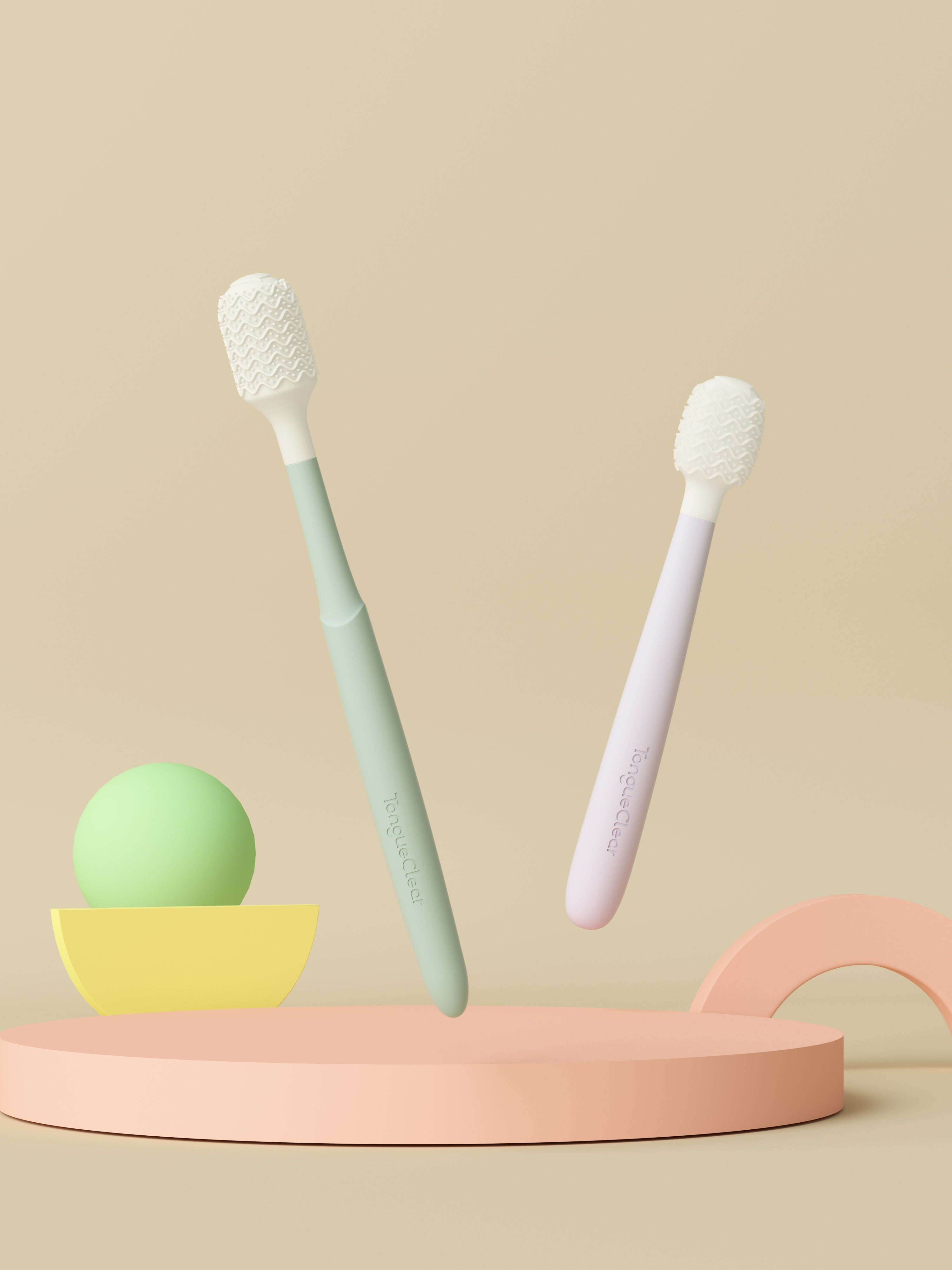
Everyone may be familiar with sensitive gums. The gums or teeth will feel obvious soreness in hot or cold environments. Some friends will feel soreness, weakness in their teeth, and bleeding gums when eating hard or irregular foods. Gum sensitivity, which is caused by poor hygiene in the oral cavity, resulting in bacteria and food debris at the periodontium and mucous membranes to form a biofilm at the gingival margins and not properly and scientifically cleaned, leading to further bacterial damage to stimulate the gum tissues, causing redness and swelling of the gums, bleeding, receding gums, and other oral problems. Sensitive gums are one of the early warnings of oral problems. When you notice that your gums are reddish in color, have a noticeable indentation when pressed, and have a softer texture than normal gums, you should be concerned about whether or not your mouth is being properly cleaned. Ineffective oral hygiene is a key factor in causing gum sensitivity. Modern people's oral cavity is basically in a eutrophic state. The warm and humid overall environment allows bacteria to multiply and form biofilms attached to various parts of the oral cavity. A large number of bacteria survive and grow under the protection of biofilms. Uninterrupted biofilms will eventually lead to the formation of plaques, promoting the formation of tartar, demineralization, caries, gingivitis and periodontal disease. It threatens the overall health of the oral cavity because inflammation continues to irritate the gums. Therefore, frequent destruction of biofilms is essential to prevent plaque formation. Most people think that brushing teeth frequently can effectively clean the mouth, but brushing teeth can only clean teeth. The hardness of the toothbrush will cause wear on the teeth, and the greater the force applied, the more wear will be caused. However, even for well-trained people, brushing teeth cannot remove more than 40% of dental plaque. Moreover, incorrect brushing methods not only fail to clean teeth and mucosa, but also easily cause the gums to retreat toward the roots, making gum sensitivity more serious. In order to prevent gum sensitivity problems, other oral cleaning methods should be used to supplement brushing. Related studies have shown that although the combination of toothpaste and mechanical brushing can remove most bacteria in the mouth, tongue cleaning will further enhance the cleaning effect of brushing. However, the tongue cleaning methods are relatively limited, which causes the bacteria on the tongue to continue to multiply in the saliva. We cannot take out the tongue for cleaning at any time, but it proves from the side that cleaning methods similar to the tongue, such as wiping the oral mucosa with fingers, are crucial in reducing the overall bacterial load in the mouth. TongueClear starts from the cleaning concept theory of "frequent destruction of biofilms" and believes that oral cleaning must have the three characteristics of safety, effectiveness and long-term use. We only need to mechanically interfere with the formation of biofilms to reduce the early colonization of bacteria. Combined with relevant research, physical cleaning is the safest and most efficient way to effectively destroy biofilms. Based on this research, TongueClear combines the tongue with fingers that have similar characteristics to the tongue to develop an oral airbag cleaner with mucosal cleaning function. The oral airbag cleaner is made of food-grade silicone material, and the airbag brush head can cling to the inner wall of the mouth like a tongue or finger. The patented scraping integrated texture cleans the mucosa over a large area while massaging the mouth, improving blood circulation in the mouth, reducing symptoms of gum sensitivity, and enhancing the overall resistance of the mouth. On the basis of physical cleaning, TongueClear has developed an oral mucosal gel containing lysozyme and glycosidase as a supplement to oral physical cleaning. After physical cleaning, some residual bacteria still pose a certain threat to oral hygiene. Lysozyme can dissolve harmful bacteria without damaging the oral microecology and decompose the residual sugar in the mouth to achieve the purpose of destroying bacterial activity and living environment, and achieve safe, efficient and long-term cleaning at both the physical and biological levels of the oral cavity. Effective and scientific oral cleaning can effectively prevent diseases caused by oral hygiene problems. Gum sensitivity is a warning before the occurrence of oral diseases. Therefore, we must pay attention to oral cleaning and choose oral cleaning products that can be used for a long time, safe and effective.
Common Dental Diseases - Prevention and Auxiliary Treatment of Caries (Tooth Decay)

Life Tips

Common Dental Diseases - Prevention and Auxiliary Treatment of Caries (Tooth Decay)

by TongueclearOfficial on Sep 18 2024
Tooth decay is what we often call dental caries. It is a disease that causes progressive destruction of tooth hard tissues under the influence of multiple factors such as bacterial infection. Failure to receive timely treatment can lead to complications such as pulpitis, apical periodontitis, and even jaw inflammation. Bacteria are the main factor in the occurrence of dental caries. Cariogenic bacteria are often mainly Streptococcus mutans, Lactobacillus, and Actinomycetes (Streptococcus mutans can cause caries on the smooth surface of teeth, Actinomycetes can cause pit and fissure caries, and Lactobacillus accelerates the development of caries). With the change of modern dietary structure, food residues and lack of attention to oral hygiene have become the norm. The oral cavity is continuously in a state of eutrophication. The warm and humid environmental characteristics of the oral cavity allow bacteria to multiply in large numbers. Bacteria interact with each other to form biofilms, which provide living space and protection for bacteria. Bacteria then decompose food residues in the oral cavity to metabolize and feed back to the biofilm to make it stronger. The acidic substances in the metabolic process corrode and change the overall environment of the oral cavity, while causing the enamel to demineralize and dissolve to produce caries. Dental caries are common in people of any age after the eruption of deciduous teeth, and the main reason for the high incidence of dental caries is the lack of correct oral hygiene awareness and effective cleaning methods. Symptoms and Causes: What are the signs of cavities? Tooth decay on the outer enamel surface doesn’t usually cause pain or symptoms. You’re more likely to experience symptoms as decay reaches beyond the enamel into the dentin and pulp. Cavity symptoms include: Bad breath or a bad taste in your mouth. Bleeding gums or other signs of gum disease. Facial swelling. Toothache or mouth pain. Tooth sensitivity to hot or cold foods or drinks. How do you get rid of cavities? Tooth decay treatment depends on the severity of your condition. Cavity treatments include: Fluoride. Fillings. Root canal therapy. Tooth extraction. How can I prevent cavities? Proper oral hygiene, including regular brushing and flossing, can get rid of plaque, acids and cavity-causing bacteria. Good teeth and gum care includes: Brushing your teeth with a soft-bristled brush and fluoride toothpaste at least twice a day, and preferably after every meal. Cutting back on sugary, starchy foods and drinks. Daily flossing to get rid of food and plaque stuck between your teeth.
The relationship between pulpitis prevention and improvement and oral hygiene

Life Tips

The relationship between pulpitis prevention and improvement and oral hygiene

by TongueclearOfficial on Sep 10 2024
Pulpitis is one of the common oral diseases, accounting for about 10%-20% of the overall oral diseases. According to statistics from relevant international research institutions, it is more common among adults, especially those over 30 years old. As they age, their teeth become more susceptible to external stimuli and cause inflammation. At the same time, in some areas with backward sanitary conditions and weak oral protection awareness, the incidence of pulpitis is higher than that in European and American countries, accounting for 20% or more of local oral diseases. It is reported that poor oral hygiene habits are one of the biggest causes of pulpitis. The pulp is a loose connective tissue containing nerves and blood vessels, located in the pulp cavity inside the tooth. Pulpitis is caused by bacteria invading the pulp after the hard tissue of the tooth is destroyed by bacterial acid production or other reasons. Pulpitis generally has obvious spontaneous pain or occasional dull pain. When the pain occurs, it cannot be clearly pointed out where the affected tooth is. The pain often radiates to the upper and lower jaw teeth or head and face on the same side of the affected tooth. Some patients will also experience aggravated pain due to temperature stimulation, showing symptoms of "hot pain and cold relief". In addition to uncontrollable factors, such as the loss of tooth hard matter caused by eating hard and irregular foods, dental caries is the most common cause of loss of tooth hard tissue. Dental caries, commonly known as tooth decay, is a bacterial disease caused by the combination of Streptococcus mutans and other harmful bacteria to form a bacterial biofilm that corrodes teeth. Bacteria reproduce in the eutrophic and warm and humid environment of the oral cavity, decompose food residues to produce organic acids and ammonia, lower the oral pH environment, decompose tooth organic matter, decalcify and dissolve hard tissue, and gradually destroy the tooth surface, forming cavities and exposing the pulp. The prevention and improvement of pulpitis are closely related to oral hygiene. The mouths of modern people are often exposed to sweets and high-calorie diets. The residual food contains a large amount of carbohydrates and sugar, which continuously provide power for bacteria to continuously transform the oral environment, making the mouth in an acidic state suitable for their survival for a long time. With the accumulation of time, pulpitis breaks out due to the loss of tooth hard tissue and the proliferation of oral bacteria. It can be seen that the quality of oral hygiene is directly related to the incidence of pulpitis, and the most direct way to improve oral hygiene is brushing teeth and cleaning mucosa, but common cleaning methods are basically concentrated on teeth cleaning, and the methods for mucosal cleaning are few, single and ineffective, and cannot deeply destroy the bacterial biofilm. Oral bacteria that are not properly cleaned will fill the entire mouth again in just a few hours. The reciprocating mechanical toothbrushes we are familiar with can only destroy and remove bacterial biofilms attached to teeth, but there has been no scientific cleaning method in the field of oral mucosa. TongueClear starts from the concept of oral mucosa cleaning, sorts out and studies the characteristics of mucosa, and develops oral airbag cleaner and biotechnology oral mucosa gel that clean mucosa at the physical level. The oral brush uses a silicone airbag brush head, and Flexconform adaptive technology makes the mouthwash soft and tough enough to fit the human oral structure. The scraping integrated cleaning texture increases the contact area with the oral mucosa, and massages the inner wall of the oral cavity while scraping to promote blood circulation, enhance oral resistance and the health of the oral mucosa. The oral brush destroys the bacterial biofilm attached to the oral cavity by physical means and removes food residues. At the same time, the lysozyme and glycosidase in the mouthwash destroy the living environment of bacteria while eliminating pathogens, thereby achieving long-term, efficient and deep cleaning of the overall oral hygiene environment. Pulpitis is closely related to the oral environment and tooth hard tissues, but the loss of tooth hard substances is related to many factors. We cannot prevent foreign objects from damaging teeth, but we can control oral bacteria and biofilms, prevent early bacterial colonization and plaque formation of bacterial biofilms, and reduce damage to teeth caused by bacteria, thereby achieving overall prevention of oral problems.
How to prevent pericoronitis by improving oral hygiene

Life Tips

How to prevent pericoronitis by improving oral hygiene

by TongueclearOfficial on Sep 10 2024
Pericoronitis is a common oral disease worldwide, accounting for about 5%-15% of oral diseases. The onset of pericoronitis is mainly concentrated in the stage of tooth eruption, often occurring in the wisdom tooth eruption period of young people around 18-30 years old. The eruption of wisdom teeth is affected by the physiological characteristics and living habits of wisdom teeth. The incidence of pericoronitis in this stage is about 10%-20%. In developed countries such as Europe and the United States, due to the sound awareness of oral health care, their professional intervention in early prevention and intervention has made the incidence of pericoronitis in European and American countries relatively low. Pericoronitis is mainly manifested as inflammation of the soft tissue around the crown of the tooth. In the early stage of pericoronitis, the gums can be obviously painful and swollen, and local swelling due to inflammation may occur. The main treatment methods currently available are to control local bacterial infection and control oral hygiene while eliminating the infection. In the analysis of many cases of pericoronitis oral diseases, it was found that a small number of patients had pericoronitis due to bacterial infection caused by oral gingival tissue injury. Some patients had impacted wisdom teeth due to the physiological characteristics of wisdom teeth, which led to inflammation. In this case, surgery was required to remove the impacted wisdom teeth. However, oral hygiene is crucial in both the preoperative surgical environment and postoperative recovery. Putting aside the uncontrollable factors mentioned above, about 70% of the remaining pericoronitis patients have long-term accumulation of food residues around the crowns before the onset of the disease. In the eutrophic and warm and humid environment of the oral cavity, anaerobic bacteria, the main pathogens of pericoronitis, multiply in large numbers. Anaerobic bacteria use the bacterial residues in the mouth for metabolism and produce a large number of harmful metabolites, such as endotoxins, organic acidic substances, etc. The accumulation of acidic substances leads to a decrease in the pH value of the oral cavity, which has a comprehensive impact on the overall oral environment. At the same time, a large number of bacteria interact with each other in the mouth to form bacterial biofilms attached to the teeth, oral mucosa and other internal spaces of the oral cavity. The biofilm provides bacteria with a stable living environment to help them continuously release harmful substances, causing the gums and other tissues to be in a state of chronic inflammation, restricting local blood circulation, and reducing the resistance and self-healing ability of the gums. The biofilm can resist common oral cleaning methods. Damage to the oral mucosa and gums and periodontal tissues is inevitable. Whether it is gum damage during the eruption of wisdom teeth, picking teeth with a toothpick after meals, or eating hard, angular foods, it can easily cause damage to the fragile and delicate oral tissues. Ultimately, the occurrence of pericoronitis is also caused by poor oral hygiene and increased bacteria. For oral hygiene, we need to pay more attention to the cleaning of the mucosa.Good oral cleaning can prevent the occurrence of most common oral diseases. Maintaining correct cleaning habits can effectively prevent about 70% to 80% of oral diseases. However, the simple mechanical back-and-forth brushing behavior can only basically remove the biofilm and bacteria attached to the teeth, and the cleaning of the mucosa is basically zero. Oral mucosa occupies most of the space and area of the oral cavity, and is delicate and sensitive. Common cleaning methods generally have many limitations, and are often highly irritating and easily damage the mucosa. Most products are prone to damage the oral microecology. TongueClear has developed an oral airbag cleaner with Flexconform adaptive fitting technology at the physical level for the delicate oral mucosa. The patented texture of the scraping one-piece can maximize the contact area and massage the gums to promote blood circulation during use. The brush head is soft and elastic, comfortable to use, and has low foreign body sensation. It uses physical means to remove food residues and bacterial biofilms in the mouth. On the basis of physical cleaning, TongueClear has developed a oral mucosa gel made by biotechnology. The lysozyme and glycosidase contained in it can enzymatically hydrolyze a variety of pathogens in the oral cavity through biological enzymatic hydrolysis, decompose residual sugar in the oral cavity, destroy the living space of bacteria, and kill bacteria from the root. A variety of natural plant extracts can also nourish the beneficial bacteria in the oral cavity. Long-term use is safe and durable and will not damage the microecology in the oral cavity. This is why long-term and correct use of TongueClear can prevent pericoronitis. Prevention of oral diseases is better than cure, and oral hygiene is the basic link in the prevention of oral diseases. We must have a correct understanding of pericoronitis. Damage to oral tissue is inevitable, but we can kill bacteria by cleaning the mouth and reduce the risk of pericoronitis caused by a poor oral microenvironment. At the same time, a healthy oral microenvironment will also promote the self-healing of pericoronitis and the dissipation of inflammation.
How to prevent and improve oral ulcers through oral hygiene

Life Tips

How to prevent and improve oral ulcers through oral hygiene

by TongueclearOfficial on Sep 06 2024
   Speaking of oral ulcers, I believe everyone is familiar with them. Everyone is more or less troubled by them. Often, wounds the size of rice grains can affect our dining and talking for a whole day. The main incidence of oral ulcers is concentrated in the stage from youth to adulthood, accounting for 10-25% of the total population, among which the main age group is 20-40 years old. At this stage, young and middle-aged people generally have oral hygiene problems caused by high pressure and irregular life, which has become a major cause of the high incidence of oral ulcers. Some research data show that the annual prevalence of recurrent oral ulcers is 5%-25%. In the survey of the oral ulcer drug market, it can be found that the oral ulcer drug market will reach US$1.619 billion in 2023. If estimated at a predicted growth rate of 3.9%, it is expected to reach US$2.1222 billion in 2029, which has led some institutions to believe that the probability of a person suffering from oral ulcers in his lifetime is infinitely close to 100%. Preventing and reducing the occurrence of oral ulcers is much more cost-effective than waiting for oral ulcers to occur before treating them. How can we correctly and scientifically prevent oral ulcers?    Oral ulcer is a common ulcerative injury disease of the oral mucosa. Its typical ulcer surface is mostly round or oval, and the surface is covered with a layer of grayish white or yellow pseudomembrane, which is composed of a mixture of inflammatory exudate, necrotic tissue and various bacteria. The ulcers come in various forms, as small as rice grains, as large as several centimeters, and there are even multiple wounds fused into one piece. The most intuitive feeling of oral ulcer is pain in the affected area, but the pain varies from person to person. Some patients even feel a significant burning or tingling sensation on the inner wall of the mouth. During the onset of the disease, patients are often accompanied by symptoms such as bad breath, dry mouth, and bitter mouth. The human oral environment is eutrophic, warm and humid. In this environment, the bacterial reproduction ability is enhanced, resulting in a geometric increase in oral bacteria. The excessive cells have a great impact on wound healing, and some patients may even develop other diseases such as lymphadenopathy (the body's immune response to inflammation at the site of oral ulcers).    The cause of oral ulcers is simple. The oral mucosa of the human body is delicate and sensitive. If the oral mucosa is injured or the oral hygiene environment is poor, excessive bacteria will lead to oral ulcers. The injury to the oral mucosa mainly comes from the stimulation of food or the damage to the mucosa by sharp foreign objects. Injury to the oral mucosa is inevitable, but the only thing we can control and change is oral hygiene. A poor oral hygiene environment can easily affect normal metabolism and the repair of oral mucosa. Bacteria reproduce faster in the oral cavity's rich, humid, and warm atmosphere. Oral bacterial biofilms are formed between various bacteria. Biofilms that are not properly cleaned can cover the entire mouth in just a few hours, which will then cause oral inflammation and lead to oral ulcers. Poor oral environment and poor eating habits will also greatly prolong the healing time of oral ulcers.    The prevention and healing of oral ulcers are closely related to oral hygiene. The imbalance of oral microecology can lead to the proliferation of biofilms and other pathogens. Diet and personal oral hygiene are essential for preventing oral diseases. However, through literature and data, it is found that most people's understanding of oral hygiene remains at the level of teeth cleaning, and there is no systematic understanding of oral mucosal cleaning and biofilms. How to clean the oral mucosa and attached bacterial biofilms is a major point in preventing oral problems.    Common oral cleaning products on the market can be divided into toothbrushes, mouthwashes, and tongue brushes. There are many types, but they are very limited. In daily life, mechanical methods (brushing and interdental cleaning) can indeed destroy the dental biofilm, but teeth only account for 25% of the entire oral cavity. Cleaning teeth cannot change the oral hygiene environment as a whole. The biofilm removed from the teeth can cover the entire mouth again in just a few hours. Tongue brushes have a single usage scenario and can only be used for tongue cleaning. The rough and hard material often causes certain damage to the tongue during use, resulting in damage to the taste buds and taste degradation. Mouthwashes commonly used for rinsing the mouth after meals are also mostly made of chemical agents, which are highly irritating and have a single function to sterilize the oral cavity. They can easily cause oral flora disorders and break the oral microecology, resulting in a decrease in the oral cavity's resistance.    TongueClear combined data and experiments to conduct a control experiment on biofilm interference by brushing teeth multiple times a day and using fingers or other flexible objects after brushing teeth. It was found that oral-related diseases can be prevented in advance by reducing biofilm. Frequent oral biofilm interference can improve oral hygiene and prevent diseases more effectively than oral cleaning multiple times a day without wearing out teeth or destroying the oral micro environment.    TongueClear relies on relevant experimental data and combines the characteristics of weak oral mucosa to develop physical oral airbag cleaner and biotechnology gel. The oral airbag cleaner uses Flexconform technology and a 3D airbag brush head. It has adapted fit while simulating the flexibility of fingers in experiments. The patented texture design of the scraping one-piece maximizes the contact area with the oral cavity. It massages the gums and the inner wall of the oral cavity while cleaning the oral cavity. Massaging the gums and the inner wall of the oral cavity can promote blood circulation and assist in preventing oral diseases. It can also clean the bacterial biofilm and food residues attached to the oral mucosa through physical means without damaging the delicate oral mucosa.    Through physical means, we can destroy most bacterial biofilms and remove a large of food residues. On this basis, we can use TongueClear gel to rinse our mouths. In the gel, glycosidase and lysase are used to control bacteria remaining in the mouth. Different from the stimulation and surface sterilization of chemical agents on the oral mucosa, TongueClear uses biological enzymatic hydrolysis technology on the basis of physical cleaning to enzymatically hydrolyze pathogenic bacteria in the mouth, control and destroy the living environment of bacteria, reduce bacterial growth, and deeply destroy stubborn biofilms. Without changing the oral microecology, it is gentler, more durable and more efficient.    For the prevention and improvement of oral diseases, TongueClear takes the safety, efficiency, and sustainability of oral cleaning as the core concept of prevention and intervention. For oral ulcers, due to the delicate characteristics of oral mucosa, we cannot ensure that every time we eat, we will not damage the oral mucosa, but we can control and change the overall oral hygiene, especially the mucosa hygiene. This is why TongueClear can reduce the incidence of oral ulcers. Through correct and scientific cleaning methods, the self-healing time of oral ulcers can be greatly shortened and the incidence of ulcers can be reduced. Choose the right product to prevent oral problems in advance.
The Real Dangers of Gingivitis: Prevention is Better than Cure

Life Tips

The Real Dangers of Gingivitis: Prevention is Better than Cure

by TongueclearOfficial on Aug 22 2024
Gingivitis is a common gum disease and the early stage of periodontal disease. It can cause irritation, redness, swelling, and bleeding of the gums (the tissue surrounding the base of the teeth), and if left untreated, it can progress to periodontitis and tooth loss. According to the World Health Organization's 2022 Global Oral Health Status Report, 3.5 billion people worldwide suffer from oral diseases, with gingivitis being one of the most common. This has become a global issue and can lead to serious health complications. In this blog, we will explore the causes of gingivitis, its real dangers, and why prevention should take precedence over treatment. Causes of Gingivitis Gingivitis can be categorized into two types: plaque-induced and non-plaque-induced. Currently, nearly all cases of gingivitis are caused by plaque. The most common cause is poor dental and gum care, which leads to the buildup of dental plaque on the tooth surface. If plaque is not promptly removed, it hardens into tartar. The accumulation of bacteria in tartar makes plaque even more difficult to remove, further irritating the gums. The longer plaque and tartar remain on the teeth, the greater the irritation to the gums, leading to swelling and bleeding over time, ultimately causing gingivitis. Dangers of Gingivitis Though gingivitis is a common and mild oral disease, if left untreated, it can spread to deeper tissues and bones, becoming more severe periodontitis, which may lead to tooth loss. It can also introduce new health risks, including cognitive decline and dementia. Bei Wu, Dean and Professor of Global Health at New York University's Rory Meyers College of Nursing, discovered a correlation: the more teeth you lose, the greater the risk of cognitive decline and dementia. In one of the largest studies of its kind, Wu analyzed the health data of 34,000 patients in the U.S. and found that for every tooth lost, the risk of cognitive impairment increased by 1.4%, and the risk of dementia increased by 1.1%. Overall, compared to those with intact teeth, individuals who lost teeth had a 48% higher risk of cognitive impairment and a 28% higher risk of dementia. Preventive Measures for Gingivitis 1.Daily Oral Care: Brush your teeth at least twice a day for 2 minutes each time, and use dental floss at least once a day. Flossing helps remove plaque, the main cause of gingivitis. 2.Comprehensive Oral Cleaning: In addition to cleaning the teeth and gums, the entire oral cavity should be cleaned. Use products like oral airbag cleaner or oral finger wipes that are gentle on the oral mucosal to scientifically remove bacterial biofilm and maintain a healthy oral environment, better preventing oral diseases. 3.Healthy Diet and Lifestyle Habits: A balanced diet rich in vitamins and minerals promotes gum health. Avoid excessive sugar intake, as sugar leads to plaque buildup. Smokers should also quit, as smoking weakens the immune system, making it harder to fight off gum infections. 4.Regular Dental Check-ups: Professional cleanings and check-ups every 6 to 12 months can help detect early signs of gum disease and allow for timely prevention and treatment. Gingivitis may have minimal impact on your life and health initially, but the serious health issues it can lead to should not be overlooked. By taking preventive measures early, you can protect your oral health and overall well-being.