






Why do oral ulcers recur?
In fact, there are numerous causes for the occurrence of oral ulcers. Some people may be genetically predisposed to getting ulcers, while others may have them triggered by factors such as stress, malnutrition, or hormonal changes. However, these are rather difficult to be artificially intervene or prevent. Besides, a poor oral environment is a major cause of oral ulcers. An unclean oral environment leads to many bacteria colonizing, irritating the oral mucosa and thus triggering oral ulcers. Therefore, without changing the way of oral cleaning and improving the hygienic environment of the mouth, it's impossible to avoid the recurrence of oral ulcers
The Relationship between Oral Hygiene and Oral Ulcers
Oral ulcers occur when there are wounds on the oral mucosa. Since these wounds are usually quite small, we sometimes can't detect them (coupled with the fact that the factors causing the wounds are closely related to our diet and living habits, making it even less likely to notice them. For example, accidentally poking the inner wall of the mouth while brushing teeth. The oral mucosa is very delicate and can get wounded easily. Or eating hard food might also damage the oral mucosa. These are unavoidable and hard to detect in the early stage). However, whether the wounds will develop into ulcers depends on the hygienic condition of the oral mucosa surface. The oral mucosa of most people is not clean, because our usual toothbrushing can't clean the oral mucosa. The cleaning of the oral mucosa requires specialized oral mucosa products. When there are wounds on the oral mucosa, if the hygienic condition on its surface is poor, the wounds may develop into oral ulcers. To avoid the recurrence of oral ulcers, we need to change the incomplete oral cleaning methods.
There are millions of bacteria in the oral cavity. There are over 700 kinds of bacteria just on the tongue alone. Among them, there are both harmless and harmful bacteria. If we don't clean our mouth in a timely manner, these bacteria will multiply and grow rapidly under the influence of the oral environment and form a bacterial biofilm. They attach to various parts of the mouth, including teeth, tongue, gums, upper and lower jaws and inner cheeks in a clustered form. If the biofilm is not broken in time, the harmful bacteria gathered in it may irritate the oral mucosa, cause inflammation and disrupt the balance of the oral cavity. If it remains uncleaned, the accumulation of the biofilm will lead to the deterioration of the internal environment of the oral cavity, and oral ulcers will recur repeatedly.
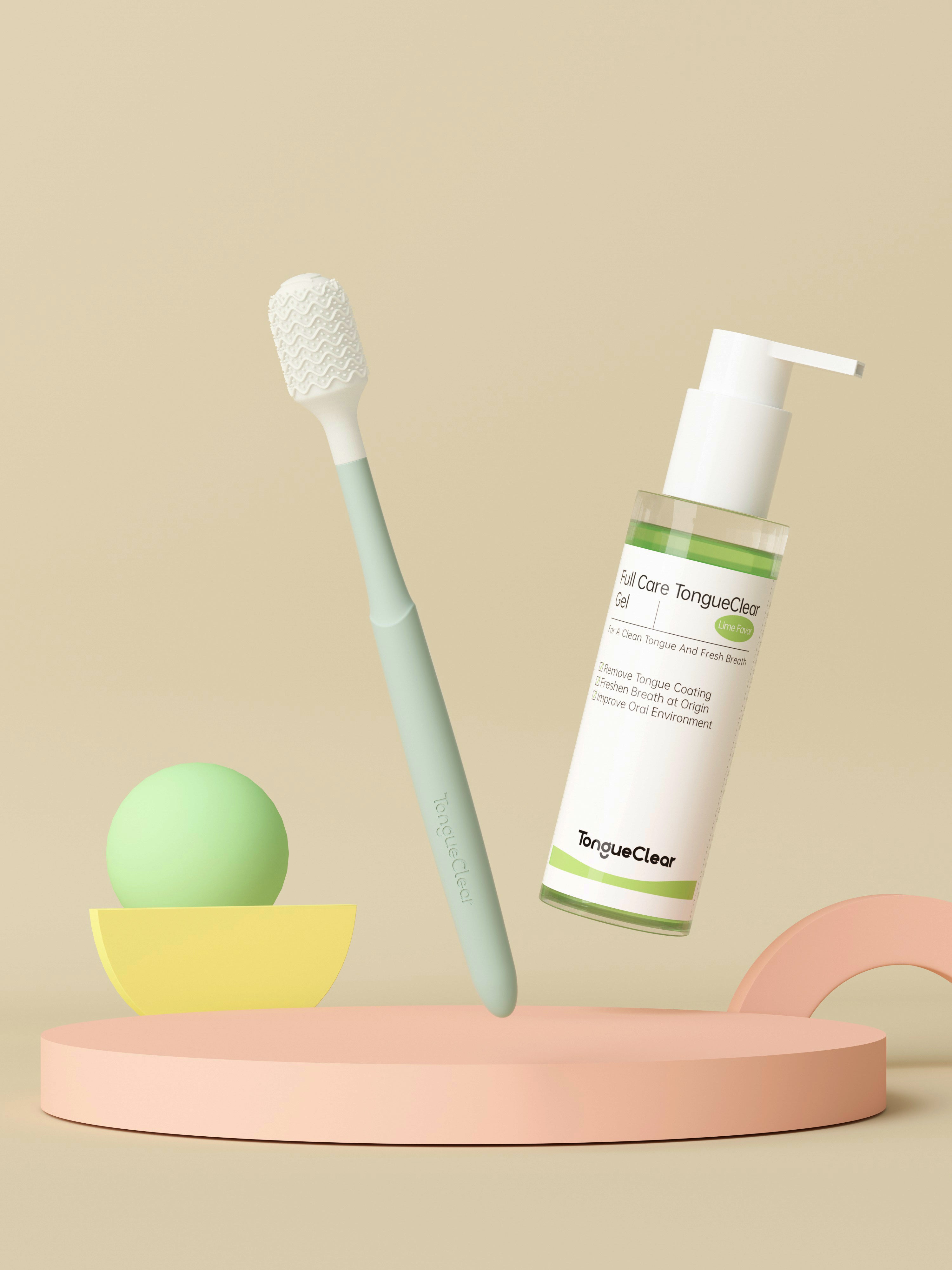
Therefore, in daily oral cleaning, we shouldn't just clean our teeth. We should also attach great importance to the cleaning of the mucous membranes of parts like gums, tongue, upper and lower jaws, and inner cheeks. In oral cleaning, completing the cleaning of teeth only accounts for 25% of the whole oral cleaning. The remaining 75% of the oral cavity is covered by mucous membranes. These are easily overlooked in our cleaning but are very important. Parts like the inner cheeks, gums, upper and lower jaws are prone to hiding food residues. Moreover, the oral environment is very suitable for bacterial reproduction. If not cleaned in time, these food residues will breed bacteria. If the bacteria are not removed in time, a bacterial biofilm will form. If the bacterial biofilm is not removed in time, it will irritate the oral mucosa and frequently cause oral ulcers and other oral diseases.


